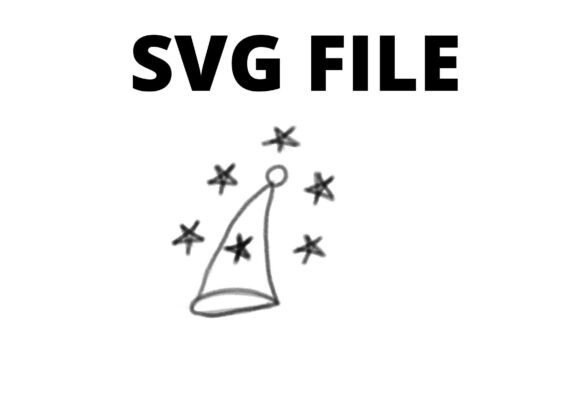
Black Hat Christmas SVG: An Embroidery Review
As a professional embroidery designer and product reviewer, I approach every new digital asset with a critical eye. When evaluating the Black Hat Christmas SVG Craft File, my primary concern is not just how it looks on a screen, but how it translates into physical thread on fabric. For those of us running a craft business or managing an Etsy shop, the gap between a vector graphic and a finished machine embroidery design is where profit margins are made or lost. This review breaks down the practical application of this file for real-world projects, focusing on stitchability, marketability, and production viability.
First Impressions and Design Personality
Upon opening the Black Hat Christmas SVG Craft File, the immediate impression is one of versatile contrast. The "black hat" motif suggests a specific aesthetic that bridges traditional holiday imagery with a slightly more modern or perhaps rustic edge. In the realm of Graphics intended for Crafts, this type of high-contrast silhouette is generally favorable for digitizing. Clean lines and distinct shapes are the friends of the embroiderer; they allow for clear definition when converted into satin stitches or fill patterns.
The mood of this design feels adaptable. It does not scream "kitsch," which makes it suitable for a broader demographic than standard cartoon reindeer designs. For a designer, this neutrality is valuable. It implies that the artwork can serve as a centerpiece for various themes, from farmhouse chic to minimalist winter wear. However, because this is provided as an SVG craft file ideal for POD and scrapbooking, users must understand that vectors require careful preparation before they become embroidery files. The simplicity of the SVG is a strength, but it demands intentional digitizing choices to ensure the personality survives the transition to thread.
Real-World Application: The Holiday Sweatshirt Test
To truly judge the utility of the Black Hat Christmas SVG Craft File, I mentally placed it in a current best-selling scenario: a custom embroidered sweatshirt for a small boutique collection. Sweatshirt fleece is a forgiving yet tricky substrate. It has texture and stretch, both of which can distort intricate details.
In this scenario, the bold nature of the black hat graphic works in our favor. If I were digitizing this for a crewneck, I would utilize a combination of techniques. The main body of the hat would likely benefit from a light fill stitch or even an applique design approach to prevent the garment from becoming bulletproof with excessive thread density. The brim and band details, however, would require precise satin stitch columns to create that necessary pop against the fleece background. Because the source file is an SVG, scaling up for an adult-sized chest placement should maintain crisp edges, provided the digitizer adds appropriate underlay to stabilize the knit fabric.
For the Etsy seller or small shop product creator, this specific application highlights the commercial potential. Customers are currently seeking holiday apparel that feels handmade rather than mass-produced. A well-executed version of this design on a neutral-toned sweatshirt creates a personalized gift option that photographs beautifully for listings. The visual weight of the black hat provides excellent contrast in product photography, increasing click-through rates on digital storefronts.
Navigating Fabric Constraints and Technical Limits
While the Black Hat Christmas SVG Craft File shows promise for apparel, experienced makers know that not all substrates are created equal. There are specific environments where this design requires caution.
- Textured and Pile Fabrics: If you plan to use this on terry cloth towels or plush blankets, the fine details of the hat may get lost. You will need to increase the stitch length and potentially add a topping stabilizer to keep the design visible above the pile.
- Stretchy Performance Wear: While great for cotton fleece, applying this design to thin, high-stretch athletic wear is risky. Without proper stabilization and a modified digitizing strategy that reduces pull compensation issues, the black hat could pucker or distort after washing.
- Curved Surfaces: If adapting this for caps or structured hats, verify the dimensions. A wide SVG layout might exceed the usable area of a standard cap frame. Always check your specific hoop size limitations before committing to a production run.
- Small Scale Items: For baby embroidery or sleeve cuffs, reducing the design too much can cause registration errors. Ensure that internal details remain legible at smaller sizes; otherwise, simplify the artwork by removing non-essential elements during the digitizing process.
Furthermore, consider the washing requirements of the finished product. Holiday items like kitchen towels or aprons face frequent laundering. Ensure your stitch density is sufficient to hold the shape without being so dense that it tears delicate linen over time. Testing on scrap fabric is non-negotiable here.
Commercial Viability and Brand Consistency
For creative entrepreneurs, the value of the Black Hat Christmas SVG Craft File extends beyond a single project. It serves as a foundational asset for brand consistency. When building a holiday collection, having a cohesive graphic style helps customers recognize your work instantly. This design’s distinct silhouette can be adapted across multiple mediums—matching tote bags, nursery pillows, and teacher gifts—to create a unified shop aesthetic.
However, professionalism lies in the execution. A jagged, poorly registered stitch-out damages customer trust faster than almost anything else. Before listing any item featuring this design, create printable mockups and compare them against actual stitched samples. Does the thread color match the digital preview? Is the contrast sufficient on dark fabrics? These checks ensure that the digital embroidery file you produce meets the high standards expected by buyers of custom apparel and home decor.
Additionally, if you are selling the digitized version itself as a commercial embroidery asset, transparency is key. Clearly state recommended fabric types, stabilizer requirements, and tested hoop sizes. Buyers rely on your expertise to avoid ruining expensive garments.
Essential Designer Notes for Success
Before you load the Black Hat Christmas SVG Craft File into your software or machine, adhere to these professional best practices:
- Verify Licensing: The product description mentions suitability for POD and school projects, but always confirm the specific license terms regarding selling finished physical products versus reselling the digital file itself. Protecting your business starts with respecting intellectual property.
- Test Stitch Density: Do not assume the auto-digitize function is perfect. Manually adjust density based on your target fabric. Fleece needs different parameters than quilting cotton.
- Thread Color Contrast: Since the theme involves a "black hat," test how black thread renders on dark navy or charcoal fabrics. You may need to outline the design in metallic or white thread to ensure visibility.
- Stabilizer Selection: Match your stabilizer to the fabric weight. Use cut-away for knits and tear-away for wovens. Never skip the test sew-out on the actual material you intend to sell.
- Mockup Validation: Use black and white mockups to check value contrast. If the design looks muddy in grayscale, it will likely look muddy when stitched with similar-value thread colors.
The Black Hat Christmas SVG Craft File offers a strong foundation for holiday crafting and commercial embroidery projects. Its success, however, depends entirely on the maker's willingness to treat it as a starting point rather than a final solution. By applying technical knowledge regarding stitch types, fabric behavior, and market trends, you can transform this versatile graphic into a profitable, high-quality handmade product that delights customers and elevates your brand reputation this season.