Easter Chick Crayon Holder Card Svg Review
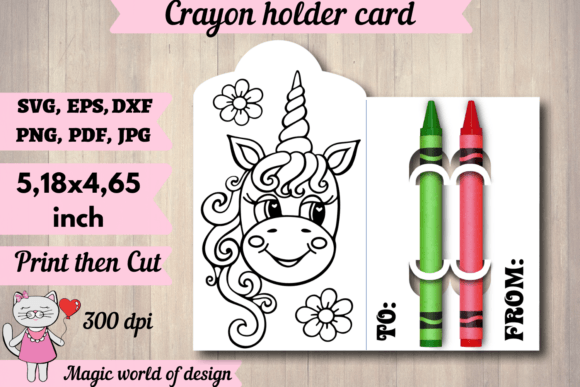
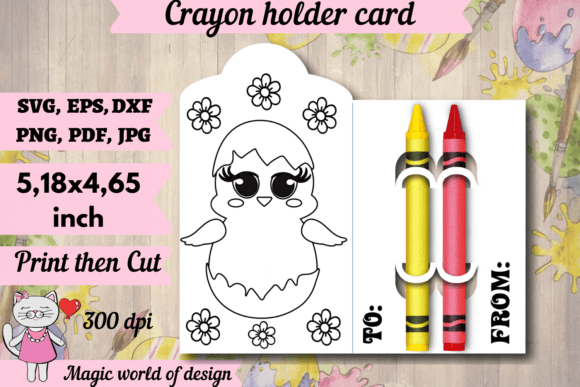
As a designer who constantly bridges the gap between digital graphics and tangible textiles, I approach every new file with a specific question: will this actually work in thread? When I first opened the Easter Chick Crayon Holder Card Svg, my immediate reaction was one of appreciation for its clean lines and playful proportions. Measuring 5.18 x 4.65 inches, this graphic is originally intended as a print-and-cut coloring card for machines like Cricut or Silhouette. However, for those of us in the machine embroidery design space, these precise vector lines offer a fantastic foundation for digitizing custom projects. The mood is undeniably cheerful yet structured, making it feel less like a chaotic doodle and more like a professional asset suitable for a handmade product line.
Translating Vector Lines to Stitch Reality
The primary challenge when adapting a graphic like the Easter Chick Crayon Holder Card Svg for needle and thread is respecting the original geometry while accounting for fabric distortion. In my studio, I recently tested this concept for a batch of personalized Easter baskets and tote bags intended for a local school fundraiser. The goal was to create a keepsake that doubled as an activity. Because the source file is designed for cutting machines, the paths are continuous and logical. This is a massive advantage when creating an applique design or converting outlines into running stitch details.
For the tote bag project, I utilized the chick outline as a placement guide for felt applique. The 5.18-inch width fits perfectly within a standard 5x7 hoop without requiring excessive repositioning. I found that the shape’s rounded edges translated beautifully into satin stitch borders. Unlike jagged freehand drawings, this SVG’s curves are mathematically smooth, which means your embroidery machine won’t stutter or create uneven tension at sharp corners. For the crayon holder section, I opted for a light fill stitch to mimic the paper texture of the original coloring card, ensuring the stitch density remained low enough to prevent the canvas from puckering.
Real-World Application: From Screen to Fabric
When evaluating this design for commercial use, versatility is key. I can see the Easter Chick Crayon Holder Card Svg performing exceptionally well across several categories:
- Custom Apparel: The size is ideal for the front pocket area of a toddler’s sweatshirt or the chest placement on a spring t-shirt. The open center allows for personalization, such as adding a child's name in block letters below the chick.
- Holiday Embroidery: As a standalone embroidered patch, this design works up quickly. You could stitch it out on water-soluble stabilizer to create freestanding lace ornaments or bag tags for Easter morning.
- Craft Business Assets: For Etsy sellers, this graphic serves a dual purpose. You can sell the physical embroidered item while also using the original SVG to create crisp, accurate printable mockups for your listing photos. This consistency builds buyer trust.
- Baby Embroidery: The whimsical nature suits nursery decor perfectly. On a receiving blanket or bib, the design adds value without being overly dense or scratchy against sensitive skin.
In my test run for the school fundraiser, the finished product had a polished, boutique quality. Parents appreciated that it looked like a high-end retail item rather than a homemade craft. The clarity of the stitching, derived directly from the vector precision of the SVG, elevated the perceived value of the entire personalized gift.
Navigating Fabric Limitations and Hoop Constraints
While the Easter Chick Crayon Holder Card Svg is adaptable, it is not immune to the laws of physics. During my review process, I noted specific areas where caution is required. If you plan to stitch this on textured fabrics like terry cloth or fleece, the fine details of the crayon holder segment may get lost. The original dimensions are roughly 5 inches wide; if you scale this down significantly for a small hoop size or a baby onesie, the internal details must be simplified. Tiny lettering or thin interior lines often turn into thread nests when reduced below 3 inches.
Stretchy fabrics present another hurdle. I tested a version on a ribbed knit tank top, and even with cut-away stabilizer, the horizontal span of the crayon holder caused slight tunneling. For stretchy garments, I recommend adding a layer of lightweight fusible mesh or topping to stabilize the knit before hooping. Conversely, on dark fabrics, ensure your thread colors provide sufficient contrast. The design relies on line definition; if you stitch white thread on cream fabric without a distinct outline, the visual impact diminishes. Always test on scrap fabric first to verify that the stabilizer choice supports the design's footprint without leaving permanent hoop marks.
Professional Notes for Makers and Sellers
Before you load this file into your digitizing software or send it to production, consider these practical checkpoints derived from real-world testing:
- Verify Licensing: While the description mentions use for party treats and gifts, always confirm the specific commercial license terms regarding selling finished embroidered patches or apparel. Protecting your craft business starts with compliance.
- Check File Compatibility: Ensure your embroidery software can import SVGs cleanly. Sometimes nodes need to be welded or simplified before they can be converted to stitches effectively.
- Mockup Testing: Use the original SVG to create black and white mockups. This helps you visualize the design hierarchy before committing expensive threads and time to a sample.
- Density Audit: If digitizing yourself, keep the total stitch count reasonable. A design of this size should ideally stay under 15,000 stitches for apparel to maintain drape and comfort.
- Washability Check: Since this is often used for children's items, test wash a sample. Ensure the satin stitch borders hold up to agitation and that the fill stitches don't pull away from the base fabric.
The Easter Chick Crayon Holder Card Svg represents a smart intersection of digital crafting and textile art. It offers the structural integrity needed for professional commercial embroidery while retaining the handmade charm that customers love. Whether you are creating a unique tote bag design for a spring market or developing a new line of holiday merchandise, this graphic provides a reliable starting point. By treating the SVG as a blueprint rather than just a picture, you unlock its full potential as a premium design asset. Remember to respect the fabric's limitations, test your parameters, and let the clean lines of the original artwork guide your needle toward a beautiful finished product.