First Grade Retro School Girl Coquette Review
As a professional embroidery digitizer and product reviewer, I approach every new machine embroidery design with a critical eye toward stitchability and marketability. The "First Grade Retro School Girl Coquette" aesthetic is currently dominating the handmade space, blending nostalgic academic imagery with soft, feminine details. However, trending graphics do not always translate seamlessly into thread. Before you load this embroidery file into your machine for a client order or shop inventory, it is vital to understand how this specific visual style performs under the needle. This review evaluates the design from the perspective of a maker who needs finished products to look professional, wash well, and justify a premium price point.
Capturing the Coquette Aesthetic in Thread
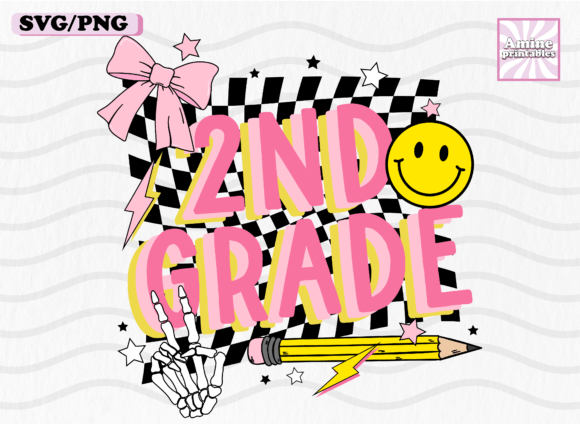
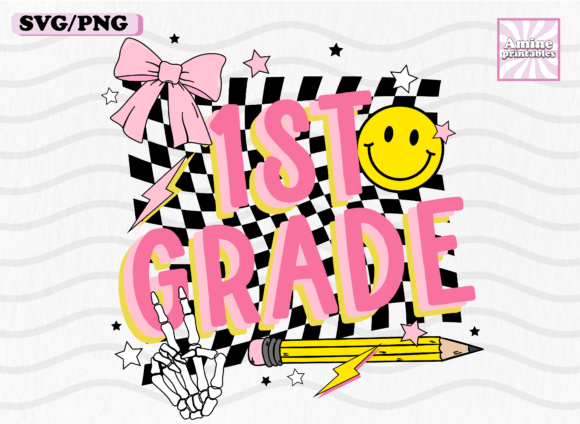
The immediate appeal of the First Grade Retro School Girl Coquette theme lies in its juxtaposition of structured vintage elements and delicate embellishments. Visually, this design likely features classic school motifs—perhaps plaid patterns, peter pan collars, or retro typography—softened by bows, pearls, or floral accents. For an Etsy seller or boutique owner, this mood is gold. It triggers an emotional response that drives sales. However, translating this into a digital embroidery file requires balance. If the design relies too heavily on dense fill stitch areas to create the retro plaid or shading, it risks becoming stiff and bulletproof on lightweight garments. Conversely, if the delicate coquette details like thin ribbons or eyelashes are rendered only as running stitch, they may get lost in the fabric texture or break during washing.
When evaluating this graphic for real-world use, look for clean transitions between the bold retro elements and the fine details. A successful digitization of this theme should utilize satin stitch for borders and text to give that raised, high-quality feel, while keeping the interior fills open enough to maintain fabric drape. The personality of this design demands precision; jagged edges on a bow or misaligned layers in a collar will immediately cheapen the perceived value of your handmade product.
Real-World Application: Stitching a Custom Sweatshirt
To truly test the viability of this design, let us consider a practical scenario: creating a custom crewneck sweatshirt for a back-to-school collection or a personalized first-day gift. Sweatshirts are a staple for custom apparel, but their fleece backing and knit structure present challenges. In my experience testing similar retro-coquette designs, placement is everything. On a sweatshirt, this design works best as a centered chest piece or a smaller left-chest logo rather than a massive back print. The reason is density management. A large, dense design on stretchy fleece can cause puckering that no amount of steaming can fix.
For this project, I would treat the First Grade Retro School Girl Coquette design as a mixed-media opportunity. If the file includes intricate small text or tiny facial features common in retro illustrations, consider whether those elements can be simplified or omitted for apparel use. Alternatively, this design might serve better as an applique design. Using actual fabric for the dress or collar portions reduces stitch count significantly and adds a tactile, high-end dimension that customers love. If you are strictly using thread, ensure your stabilizer choice matches the weight of the sweatshirt. A cut-away stabilizer is non-negotiable here to support the design long-term. Seeing the final result on a garment confirms whether the "coquette" softness survives the industrial nature of machine embroidery.
Navigating Fabric Limitations and Hoop Constraints
While this design shines on mid-weight fabrics, caution is required when venturing into other territories. The detailed nature of retro school girl artwork often includes small lettering and fine lines. On textured fabrics like terry cloth towels or canvas tote bag design projects, these details can sink into the weave. If you plan to use this for kitchen linens or bags, verify that the digitizer has included adequate underlay to push down the fabric nap before stitching the top details. Without this, your crisp retro lines will look fuzzy and unprofessional.
Stretchy fabrics like ribbed baby onesies or performance tees also demand scrutiny. The First Grade Retro School Girl Coquette aesthetic is popular for baby embroidery, but infant wear undergoes rigorous washing and stretching. If the design is too dense, it will distort the garment's fit and irritate sensitive skin. Always check the physical dimensions against your available hoop size. Resizing a complex design down by more than 10-15% can collapse satin stitches into running stitches and make small details disappear. If you need a smaller version for a baby bib or sleeve cuff, seek out a file specifically digitized for that scale rather than shrinking a large adult-sized graphic.
Commercial Viability for Makers and Sellers
For creative entrepreneurs and small shop product developers, versatility is key. This design’s strength is its adaptability across mediums. Beyond apparel, the retro-coquette style translates beautifully to rigid substrates. Because mugs, tumblers, and phone cases do not have fabric grain or stretch, they allow the design to be stitched or printed exactly as intended without distortion concerns. However, if you are selling design assets or finished goods, clarity regarding licensing is paramount. The prompt notes to "be the FIRST to get it," suggesting exclusivity or early access, which can be a marketing advantage. Always confirm whether your purchase includes commercial rights for selling finished personalized gift items versus selling the digital files themselves.
Visual presentation also impacts buyer engagement. When listing this item, use printable mockup templates that accurately reflect the texture of embroidery. Customers need to see how the retro colors interact with the fabric. Does the pink bow pop against a navy sweatshirt, or does it vibrate visually? Testing thread colors against various fabric backgrounds before photographing your samples ensures your marketing materials set accurate expectations. High-quality photos of the actual stitched design build trust far faster than digital renders alone.
Essential Designer Notes for Success
Before committing this design to a sellable product, adhere to these professional best practices:
- Test Stitch First: Never run a new design directly on a customer’s garment. Stitch it out on scrap fabric of the same weight and texture to check registration and density.
- Verify File Specs: Since specific stitch counts and formats are not listed in the product description, open the file in your software or machine to confirm compatibility and estimated run time before quoting prices.
- Check Contrast: Retro color palettes can sometimes be muted. Ensure sufficient contrast between the design and the base fabric so the coquette details remain visible from a distance.
- Stabilizer Strategy: Match your backing to the fabric, not just the design. Lightweight knits need cut-away; woven cottons may suffice with tear-away; caps require specific cap backing.
- Detail Inspection: Zoom in on the digital file to inspect small text. If letters are thinner than 1mm, they may not stitch cleanly. Consider editing them out or replacing them with blockier fonts for production.
- Licensing Confirmation: Explicitly verify terms for commercial embroidery use. Document your license in case of platform audits on Etsy or Shopify.
The First Grade Retro School Girl Coquette design offers immense potential for makers tapping into current trends. By approaching it with technical diligence and realistic expectations about fabric behavior, you can transform a charming digital graphic into a profitable, high-quality finished product that stands out in a crowded marketplace.