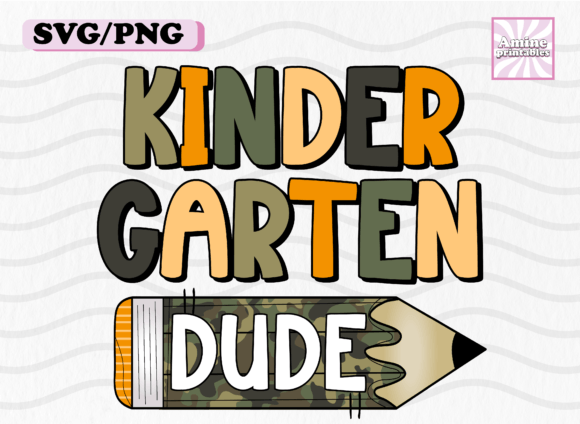
Kindergarten School Dude Pencil Teacher Design Review
As a professional embroidery digitizer and product reviewer, I approach every new machine embroidery design with a critical eye toward production viability. When evaluating the Kindergarten School Dude Pencil Teacher graphic, my immediate focus is not just on its visual charm, but on how it translates from a digital screen to physical thread. This design captures a specific nostalgic academic aesthetic that resonates deeply with educators, parents, and school staff. However, translating this playful "dude" persona into a stitch file requires careful consideration of fabric choice, stabilization, and end-use application to ensure the final handmade product meets professional standards.
Visual Personality and Stitch Translation Potential
The first impression of the Kindergarten School Dude Pencil Teacher is one of approachable authority. It balances the rigid geometry of a pencil shape with the relaxed, humanized expression of the character. For an Etsy seller or boutique owner, this duality is gold; it avoids being overly cutesy while remaining age-appropriate for kindergarten themes. From a technical perspective, the distinct separation between the pencil body, the eraser, and the facial features suggests excellent potential for color blocking. If this is utilized as an applique design, the bold outlines will likely serve as secure placement lines. If it is a standard fill design, the clear boundaries indicate where satin stitch borders can effectively define the character without bleeding into adjacent areas.
The mood is undeniably cheerful, making it ideal for back-to-school merchandise or teacher appreciation gifts. However, the success of this embroidery project hinges on preserving those facial details during stitching. Small eyes or mouth curves in cartoon designs are often the first casualties of poor digitizing or incorrect tension. Before committing this to a high-value garment, I always recommend examining the stitch density in these focal points to ensure they remain legible after washing.
Real-World Application: The Teacher Tote Bag Test
To truly understand the value of the Kindergarten School Dude Pencil Teacher, I mentally placed it in a real-life scenario: creating a custom canvas tote bag for a kindergarten teacher. Teachers carry heavy loads, and their bags undergo significant wear. In this context, the design needs to be more than just cute; it must be durable.
For a tote bag design, the vertical orientation of the pencil character works harmoniously with the bag’s proportions. Unlike wide landscape designs that can get lost on a tall canvas tote, this vertical layout maximizes visibility. When stitching this on unlined canvas, I would prioritize a cut-away stabilizer rather than tear-away to prevent distortion under the weight of the fill stitch areas. The "dude" aspect adds a layer of humor that appeals to adult buyers purchasing for themselves or as personalized gifts. A client receiving this bag wants to see crisp registration between the pencil lead and the face; any gap there ruins the illusion. Therefore, testing the embroidery file on scrap canvas is non-negotiable to verify that the pull compensation is adequate for this heavier fabric texture.
Navigating Fabric Challenges and Hoop Limitations
While the Kindergarten School Dude Pencil Teacher is versatile, certain applications demand caution. As experienced crafters know, not all substrates treat detailed graphics equally. Here is where you need to exercise professional judgment:
- Stretchy Knits and Sweatshirts: If using this for sweatshirt embroidery or baby onesies, the knit structure poses a risk. The vertical lines of the pencil can cause tunneling if the stabilizer is insufficient. Always use a fusible mesh backing for stretch fabrics to maintain the integrity of the character's shape.
- Small Hoop Sizes: Resizing this design down for a pocket logo or baby embroidery requires scrutiny. Reducing the size may turn intricate facial features into indistinguishable blobs. Check the minimum recommended dimensions before scaling down to ensure the running stitch details survive.
- Curved Surfaces: Applying this to caps or tumblers introduces curvature distortion. The straight lines of the pencil may appear bowed on a rounded surface. For commercial embroidery on hats, consider flattening the design slightly or accepting the optical distortion as part of the medium.
- Dark Fabrics: On navy or black apparel, ensure the thread colors provide sufficient contrast. A dark outline on a dark shirt disappears. You may need to add a white underlay or adjust the color palette specifically for dark garments to maintain the design’s readability.
Commercial Viability for Makers and Sellers
For those running a craft business or selling on platforms like Etsy, the Kindergarten School Dude Pencil Teacher offers strong market potential, provided it is executed correctly. Customers associate clean stitching with quality. A jagged edge or misaligned eye signals amateur work, regardless of how good the original digital embroidery file looked. Investing time in perfecting the stitch-out builds customer trust and justifies premium pricing for custom apparel.
This design also serves as excellent content for marketing. Because it is suitable for stickers, cards, and mugs, you can create cohesive collections. Using printable mockups alongside photos of your actual stitched samples helps bridge the gap between digital promise and physical reality. Buyers want to see how the embroidered patch or shirt looks in natural light. Furthermore, always verify the licensing terms associated with this graphic. Confirm whether you have rights for commercial embroidery on finished goods versus digital resale. Protecting your business starts with respecting intellectual property and ensuring your design assets are cleared for your intended sales channel.
Essential Pre-Stitch Checklist for Professionals
Before loading the Kindergarten School Dude Pencil Teacher into your machine for a client order or shop stock, run through this practical evaluation list. These steps separate hobbyist attempts from professional results:
- Verify File Specifications: Since specific stitch counts and formats vary, open the embroidery file in your software first. Confirm the hoop size requirements match your equipment capabilities.
- Test on Target Material: Never assume a setting works universally. Stitch a sample on the exact fabric and stabilizer combination you plan to use for the final finished product.
- Audit Color Contrast: View the design in black and white within your software to check value contrast. If the pencil body blends into the background in grayscale, it will lack definition in thread.
- Inspect Detail Clarity: Zoom in on the smallest elements. Are the eyes open? Is the text legible? If details are too dense, edit the file to simplify or increase spacing before stitching.
- Check Washability: Consider the item's lifecycle. A tea towel needs different density settings than a decorative pillow. Adjust stitch density accordingly to prevent stiffness or puckering after laundering.
- Validate Licensing: Re-read the terms of use. Ensure your planned application, whether it be holiday embroidery for sale or personal use, aligns with the designer’s permissions.
The Kindergarten School Dude Pencil Teacher is a delightful addition to the Crafts and Graphics category, offering a unique blend of whimsy and scholastic spirit. By approaching it with technical diligence and respecting the nuances of textile decoration, you can transform this digital art into tangible, high-quality products that delight teachers and students alike. Whether you are crafting a single personalized gift or stocking a boutique line, let practical testing guide your needle to success.