Retro Basically a Detective SVG: An Embroidery Review
As a designer who spends more time behind an embroidery hoop than a computer screen, I approach every new graphic asset with a healthy dose of skepticism. When I first opened the Retro Basically a Detective Svg File, my immediate thought wasn't about how cute it looked on a monitor, but how it would translate into physical thread. This design falls squarely into the intersection of Crafts and Graphics, marketed primarily as a print cut file for Cricut and Silhouette users. However, for those of us in the machine embroidery community, this retro aesthetic holds significant promise for custom apparel and personalized gifts, provided we understand its structural limitations and strengths.
First Impressions: Vintage Charm Meets Stitch Reality
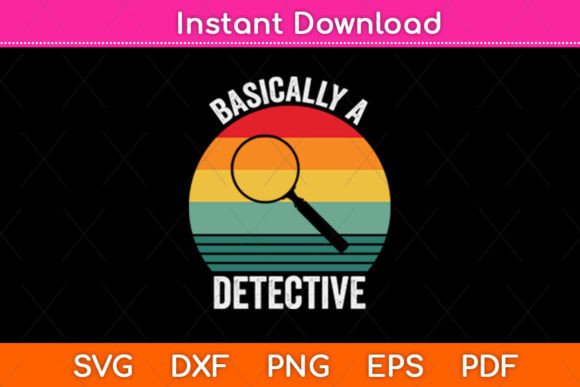
The visual personality of the Retro Basically a Detective Svg File is undeniable. It carries that nostalgic, mid-century mystery vibe that has been trending heavily in handmade markets and Etsy shops. The layout suggests bold typography paired with iconic imagery—likely magnifying glasses, footprints, or classic noir silhouettes. As a digital embroidery file source, this style is fantastic because retro designs often rely on solid shapes and clear lines rather than photorealistic gradients. This makes them naturally suited for conversion into satin stitch borders and fill stitch areas.
However, because this is originally designed as a print cut file, the lines are likely optimized for vinyl blades and ink, not needles. My first impression is that while the mood is perfect for a sweatshirt embroidery project or a tote bag design, the vector paths may need simplification. Intricate details that look crisp in vinyl can become muddy or cause thread breaks when stitched out. The charm lies in its simplicity, and as embroiderers, we must preserve that by resisting the urge to over-digitize tiny elements that won't read well on fabric texture.
Real-World Application: The Custom Tote Bag Test
To truly evaluate this asset, I mentally placed it onto a recent client request: a canvas tote bag for a local book club’s "Mystery Month" event. This is a classic commercial embroidery scenario where readability and durability matter more than microscopic detail. Canvas is a forgiving fabric, but it has a distinct weave that can swallow thin running stitches.
For this specific embroidery project, the Retro Basically a Detective Svg File serves as an excellent applique design foundation. Instead of trying to stitch out complex internal shading, I would use the main silhouette as a guide for cutting fabric pieces, securing them with a tack-down stitch, and finishing the edges with a clean satin stitch. This approach respects the original graphic's intent while ensuring the finished product feels like high-quality handiwork rather than a stiff, dense patch. For a tote bag design, this method keeps the item lightweight and flexible, which is crucial for customer satisfaction. If you are an Etsy seller or small shop owner, this adaptation strategy turns a simple SVG into a premium embroidered patch or direct-to-garment decoration that justifies a higher price point.
Navigating Fabric Constraints and Hoop Sizes
While the retro detective theme is versatile, it requires careful placement depending on your substrate. Not all fabrics play nicely with graphics converted from print files. Here is where practical judgment comes into play:
- Stretchy Fabrics: If you are planning baby embroidery or custom apparel on jersey knits, be wary of large, dense fill areas derived from this SVG. The tension can distort the garment. Use a cut-away stabilizer and consider reducing the stitch density to maintain the fabric's drape.
- Textured Surfaces: On tea towels or terry cloth, fine details in the detective motif will get lost. You may need to add a topping stabilizer or simplify the design to bolder outlines to ensure the "detective" elements remain recognizable after washing.
- Curved Items: Caps and hats present unique challenges. If the Retro Basically a Detective Svg File includes wide horizontal text or long straight lines, these will need to be arced or segmented to fit the curve of a cap without puckering.
- Small Hoop Sizes: For 4x4 hoop users, resist shrinking the entire design down. Instead, isolate individual elements. A single magnifying glass or footprint from the set makes for a perfect pocket-sized logo or sleeve accent, whereas cramming the full composition into a small space results in a bulletproof, unappealing stitch-out.
Commercial Viability and Brand Consistency
For creative entrepreneurs and craft business owners, the value of this design extends beyond a single project. The retro detective aesthetic aligns perfectly with current market trends for nursery decor, holiday gifts, and boutique branding. When used correctly, it signals professionalism and attention to detail. A well-executed sweatshirt embroidery featuring this design tells the buyer that you understand both vintage style and modern construction.
However, trust is built on consistency. If you sell this as part of a collection, ensure your digitizing style matches across all items. Mixing heavy fill stitches on a pillow cover with delicate running stitches on a baby onesie using the same source art can make your brand feel disjointed. Use printable mockups to visualize how the Retro Basically a Detective Svg File looks across different products before committing to production. This saves time and ensures your digital product previews accurately represent the tactile reality of the finished product.
Essential Designer Notes Before You Stitch
Before you load this design into your machine or list it in your shop, run through this practical checklist. Since this is marketed as a cut file, verification is key:
- Verify Licensing: Confirm whether your purchase includes commercial rights for machine embroidery. Some SVG licenses cover vinyl and paper crafts but restrict digital embroidery file sales or mass-produced apparel.
- Test on Scrap Fabric: Never stitch a converted design directly onto a final product. Test on a scrap of similar weight and texture to check for registration issues or excessive density.
- Check Thread Color Contrast: Retro palettes can sometimes be low-contrast. Ensure your thread colors provide enough definition so the design doesn't blend into the background fabric, especially on dark garments.
- Evaluate Text Legibility: If the SVG contains text, verify it is large enough to stitch clearly. Serif fonts common in retro styles can have thin serifs that disappear in embroidery; you may need to manually adjust the column width.
- Stabilizer Selection: Match your stabilizer to the end use. Tear-away might suffice for a wall hanging, but a tote bag or frequently washed custom apparel demands a sturdy cut-away or fusible backing.
- Mockup vs. Reality: Always compare your black and white stitch simulation against the colored preview. What looks balanced in color might reveal gaps or overlaps in monochrome.
The Retro Basically a Detective Svg File is a charming asset with strong potential for the embroidery community. By treating it as a starting point rather than a final destination, and by applying professional digitizing standards to its conversion, you can create handmade products that delight customers and stand up to real-world wear. Whether you are crafting a personalized gift for a true crime fan or building a seasonal line for your Etsy shop, success lies in respecting the relationship between the digital line and the physical stitch.