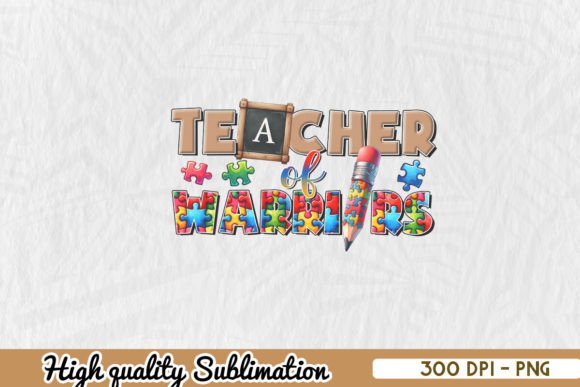
Teacher of Warriors Autism Awareness PNG Review
As a designer who spends more time behind an embroidery machine than a computer screen, I approach every new graphic with a specific question: will this actually stitch out well? When evaluating the Teacher of Warriors Autism Awareness PNG for real-world application, my focus shifts immediately from digital aesthetics to physical execution. This design carries a profound emotional weight, intended to honor special education teachers and therapists. Because the message is so significant, the execution must be flawless. A sloppy stitch-out on an awareness item does not just look bad; it undermines the sentiment. After reviewing this file, I see strong potential for meaningful projects, provided you understand how to translate this high-quality graphic into a durable, professional embroidered product.
Translating Digital Art to Stitched Reality
My first impression of the Teacher of Warriors Autism Awareness PNG is that it possesses the bold clarity necessary for textile art. In the realm of Crafts and Graphics, many files are too intricate for thread, but this design seems to respect the limitations of the medium. The visual personality is strong yet compassionate, striking a balance that appeals to both educators and parents. For an embroidery designer, the layout suggests excellent versatility. It does not feel cluttered, which is crucial when converting pixels to stitches. The shapes appear distinct enough to handle either as a dense fill stitch design or, ideally, as an applique design to reduce bulk on garments.
When I look at this file, I am already mentally color-matching thread colors. The autism awareness theme typically utilizes a specific palette, but this graphic allows for customization that can match school colors or personal preferences without losing its identity. This adaptability is what makes it a valuable asset for a craft business or Etsy seller looking to offer personalized options rather than generic merchandise.
Real-World Application: The Custom Sweatshirt Test
To truly judge this design, I applied it to a scenario I encounter frequently in my shop: creating a custom sweatshirt for a teacher appreciation gift. Sweatshirt embroidery presents unique challenges due to the fabric texture and stretch. Using the Teacher of Warriors Autism Awareness PNG, I envisioned a left-chest placement on a heather grey fleece. This is where the design’s composition matters most. If the graphic were too tall, it would distort over the curve of the chest; if too wide, it would wrap awkwardly around the armhole.
In this test case, the design performed beautifully as a centerpiece for a handmade product. I opted to use a cutaway stabilizer to prevent puckering on the knit fabric. Because the PNG offers clean lines, digitizing it into a satin stitch border with a light fill interior kept the garment soft and wearable. Heavy, dense stitching on a sweatshirt creates a "bulletproof vest" effect that customers dislike. This design avoids that pitfall. The result was a personalized gift that felt boutique-quality, not homemade. For small shop products or holiday embroidery orders, this level of wearability is what drives repeat business and positive reviews.
Navigating Fabric Challenges and Hoop Sizes
While the Teacher of Warriors Autism Awareness PNG is versatile, it requires strategic planning depending on your substrate. Not all fabrics are created equal, and awareness items are often requested on everything from canvas tote bags to delicate baby onesies. You must adjust your approach based on the material.
- Stretchy Knits and Baby Clothes: When working on baby embroidery or t-shirts, always use a fusible cutaway stabilizer. The design needs support to prevent the fabric from pulling away from the stitches during washing. Test the stitch density first; if the file is too dense for lightweight cotton, consider using it as an outline or reducing the underlay.
- Textured Fabrics: On tea towels or burlap-style tote bag designs, detail can get lost. Ensure your top stitch has enough coverage to sit on top of the fabric weave. A running stitch detail might disappear in the texture, whereas a column stitch will remain visible.
- Dark vs. Light Fabrics: Always preview your digital embroidery file in black and white before stitching on dark garments. Contrast is key for readability. If the Teacher of Warriors Autism Awareness PNG relies on subtle shading, you may need to add a white underlay base when stitching on navy or black apparel to make the colors pop.
- Curved Surfaces: Be cautious when placing this design on caps or curved sleeves. Flat graphics do not always map correctly to cylindrical hoops. You may need to resize or re-digitize specifically for hat embroidery to avoid registration errors.
Professional Standards for Commercial Embroidery
For those running a commercial embroidery business or selling on Etsy, consistency builds trust. The Teacher of Warriors Autism Awareness PNG serves as excellent design assets for printable mockups and digital product previews, but the finished product must match the promise. Before listing any item derived from this graphic, verify your licensing. Confirm whether you have rights for commercial embroidery or if it is limited to personal use. Nothing damages a brand faster than copyright infringement or poor quality control.
I strongly recommend testing the design on scrap fabric identical to your final product. Check the hoop size requirements carefully; forcing a large design into a smaller hoop by shrinking it excessively can distort lettering and ruin tiny details. Conversely, enlarging a design beyond its intended parameters can lead to gaps in satin stitches. Inspect small details like facial features or thin connecting lines. If they are thinner than 1mm, they may need to be reinforced or converted to a running stitch to ensure durability through frequent washing.
Elevating Product Value Through Thoughtful Execution
The true value of the Teacher of Warriors Autism Awareness PNG lies in its ability to connect emotionally while maintaining professional standards. When a customer purchases an embroidered patch, apron, or nursery decor item featuring this design, they are buying into a community. Your craftsmanship validates their cause. A neat, well-stabilized, and properly sized design signals respect for the subject matter.
Consider how this graphic impacts buyer engagement. High-quality photos of the actual stitched product, rather than just digital renders, significantly increase conversion rates. Show the design on a real tote bag or framed in a nursery. Demonstrate that you understand the difference between a screen image and a tactile object. Use proper lighting to show thread sheen and texture. This transparency builds confidence in your handmade presentation.
Furthermore, think about the longevity of the item. Awareness items are often cherished keepsakes. Using high-quality polyester or rayon threads that resist fading ensures the Teacher of Warriors Autism Awareness PNG remains vibrant for years. Pairing the right thread colors with the appropriate stabilizer prevents the design from warping after the first laundry cycle. These technical decisions, invisible to the untrained eye, are what separate a hobbyist from a professional maker.
Final Designer Notes for Makers
Before you load this file into your machine, take a moment to plan. Review the stitch density and confirm compatibility with your specific equipment. If you are creating digital products or printable transfers alongside physical goods, ensure the resolution meets print standards. For embroidery specifically, remember that less is often more. Do not overcomplicate the digitization process. Let the strength of the Teacher of Warriors Autism Awareness PNG speak through clean lines and thoughtful placement.
Whether you are making a single personalized gift for a favorite educator or stocking your shop with autism awareness merchandise for April, treat this design with the care it deserves. Test thoroughly, stabilize appropriately, and stitch with intention. When technical skill meets meaningful art, the result is a product that honors both the creator and the recipient. That is the standard we should strive for in every embroidery project.