Teacher Waiting for Halloween PNG: Embroidery Review
As a designer who spends more time behind an embroidery hoop than a computer screen, I approach every new graphic with a specific question: will this actually stitch out well? When evaluating the Teacher Waiting for Halloween PNG, my assessment goes beyond the cute aesthetic. I am looking at line weight, negative space, and how those digital pixels will translate into physical thread. For fellow makers, Etsy sellers, and apparel decorators, understanding the difference between a pretty screen image and a functional machine embroidery design is what separates amateur results from professional, sellable goods.
First Impressions and Seasonal Mood
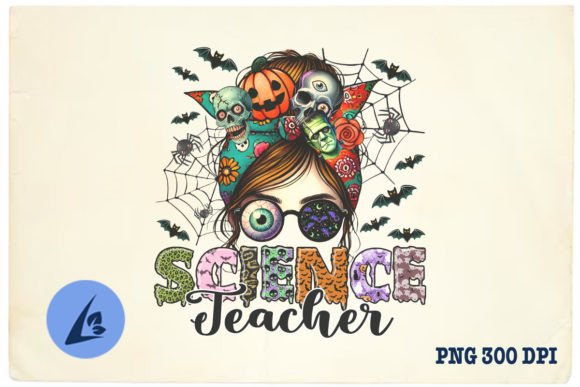
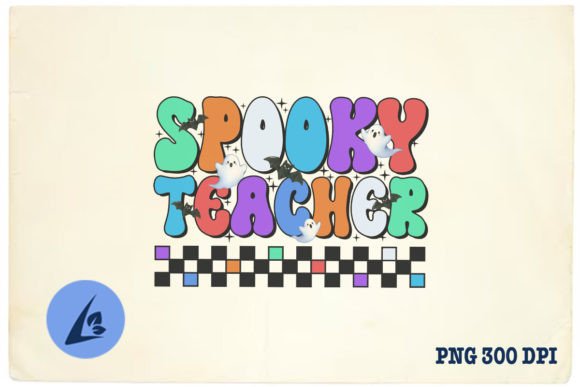
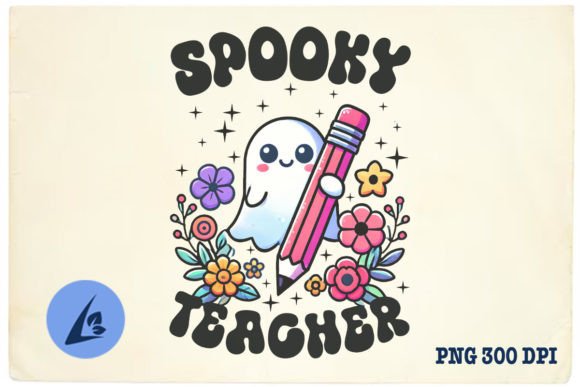
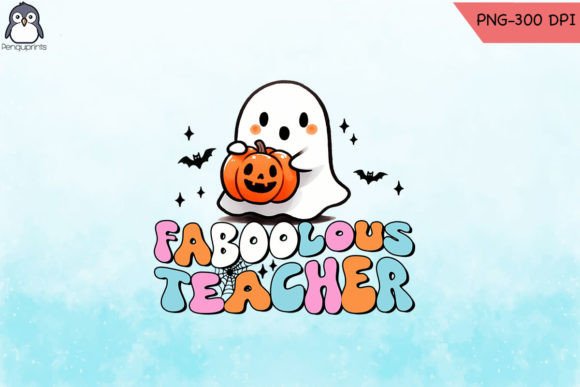
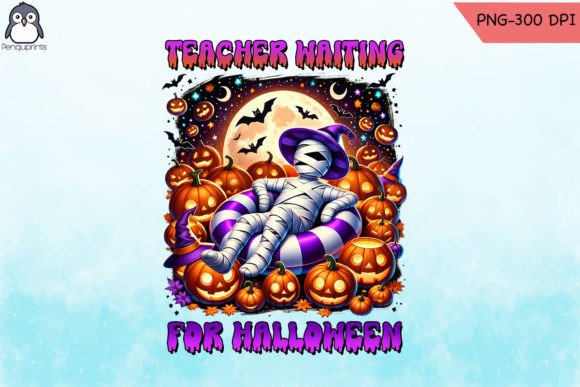
The visual personality of this graphic strikes a very specific chord. It captures that distinct mix of educator patience and spooky excitement that defines October in schools. From a design perspective, the layout feels balanced for center-chest placement or tote bag focal points. The typography appears playful yet legible, which is crucial because tiny, ornate fonts often turn into thread nests when digitized. As a piece of digital art within the Graphics category, it has strong commercial appeal for custom apparel and classroom decor. However, as someone preparing to turn this into a handmade product, I immediately started mentally tracing where the satin stitches would go versus where fill stitches would be necessary to maintain structural integrity on fabric.
Real-World Application: The Teacher Tote Test
To truly judge this asset, I envisioned a real-life scenario: creating a canvas tote bag for a local teacher appreciation event. Teachers carry heavy loads, meaning the fabric undergoes significant stress. If I were using the Teacher Waiting for Halloween PNG as a base for this project, I would treat it as a guide for a mixed-media approach rather than a direct stitch map.
For a tote bag design, durability is key. I would likely utilize this file to create a high-quality iron-on transfer for the main text elements to ensure crisp readability without adding excessive stitch density that could warp the canvas. Alternatively, if converting strictly to embroidery, I would pair the graphic with an applique design technique for larger shapes. This reduces stitch count and keeps the bag lightweight. Customers love the tactile feel of embroidery, but they dislike stiff, bulletproof designs. By analyzing the PNG’s composition, I can determine that the bolder graphical elements are perfect for fabric applique, while finer details might be better served as vinyl accents or simplified running stitches to maintain the bag's drape and utility.
Fabric Compatibility and Stitching Challenges
Not all textiles play nicely with detailed graphics. When planning sweatshirt embroidery or projects on fleece, the texture of the fabric can swallow fine lines. The Teacher Waiting for Halloween PNG likely contains details that require careful stabilization on plush surfaces. If you are stitching this onto a fuzzy hoodie, you must use a water-soluble topping to prevent the stitches from sinking. Without it, your "waiting teacher" might look like a vague, thread-blob shape after washing.
Conversely, if you are working on thin cotton tees or baby items, stitch density becomes the primary concern. Heavy fill areas combined with dense satin borders can cause puckering or even tear delicate fabrics. For baby embroidery or lightweight summer tops, I would advise simplifying the design derived from this PNG. Remove background elements and focus on the central motif. Always check your hoop size limitations before committing; resizing a complex graphic too small often results in lost details and jump stitch issues that ruin the professional finish.
Commercial Viability for Makers and Sellers
For the Etsy seller or craft business owner, this graphic offers versatile monetization potential beyond just finished goods. Because it is a high-quality digital file, it serves as excellent source material for printable mockups. You can showcase what a finished embroidered patch or shirt *could* look like without stitching every variation. This helps validate market interest before you invest hours in digitizing and sampling.
However, transparency builds trust. If you are selling personalized gifts or boutique merchandise based on this design, clearly communicate the production method. Is it fully embroidered? Is it a hybrid of print and stitch? Buyers appreciate honesty regarding the finished product. Furthermore, always verify the licensing terms associated with the Teacher Waiting for Halloween PNG. Confirm whether you have rights for commercial embroidery, digital resale, or仅限于 personal use. Protecting your shop from copyright issues is just as important as protecting your fabric from needle damage.
Designer Notes for Successful Execution
Before you load your bobbin and start production, run through this practical checklist to ensure your project succeeds:
- Test on Scrap Fabric First: Never stitch a new design directly onto a client’s garment. Use a scrap of the exact same material and stabilizer combination to check for registration issues.
- Analyze Thread Color Contrast: Digital colors on screen often appear more vibrant than rayon or polyester threads. Test your thread colors against the actual fabric to ensure the design remains visible and impactful.
- Review Stitch Density: If digitizing this PNG yourself, adjust density settings based on fabric weight. Stretchy knits need lighter density; sturdy canvas can handle heavier coverage.
- Check Small Details: Inspect any text or intricate corners. If the lettering is smaller than 6mm, consider replacing it with standard embroidery font software rather than auto-digitizing the PNG text.
- Mockup in Black and White: Viewing the design in grayscale helps identify value contrast issues that color might hide. This ensures the design reads well even on monochromatic garments.
- Verify Licensing: Double-check permissions for commercial embroidery versus personal crafting before listing items for sale.
Elevating Your Handmade Presentation
Ultimately, the Teacher Waiting for Halloween PNG is a charming starting point for seasonal creativity. Its success in your studio depends entirely on how thoughtfully you adapt it to the physical constraints of needle and thread. Whether you are crafting a holiday embroidery gift for a favorite educator or building a capsule collection for your online shop, remember that the best designs respect both the art and the engineering of embroidery. By treating this graphic as a blueprint rather than a rigid rule, you ensure that your final creations are as durable and delightful as the season itself. Take the time to sample, adjust, and refine, and your work will stand out in a crowded marketplace of generic holiday gear.