A Great Teacher: An Embroidery Design Review
First Impressions and Visual Personality
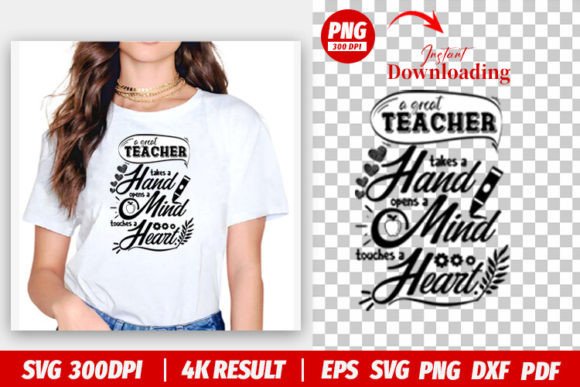
When evaluating a new machine embroidery design for professional or commercial use, the initial visual assessment goes far beyond simple aesthetics. With "A Great Teacher," the first impression is one of versatile sentimentality balanced with clean graphic lines. As a designer who regularly sources assets for custom apparel and personalized gifts, I look for graphics that translate well from screen to stitch. This design possesses a distinct visual personality that feels approachable yet structured, making it an excellent candidate for both educational themes and general appreciation projects.
The layout suggests a balance between negative space and focal elements, which is critical when converting Graphics into tangible Crafts. Unlike overly complex illustrations that can become muddy when stitched, this design appears to respect the limitations and strengths of thread on fabric. It carries a mood of warmth and professionalism, positioning it perfectly for items intended to honor educators, mentors, or lifelong learners without feeling cliché or dated.
Real-World Application: The Teacher Appreciation Tote Bag
To truly understand the utility of "A Great Teacher," I approached this review with a specific project in mind: creating a premium canvas tote bag for a school fundraiser. In this scenario, the design needs to serve as the centerpiece of a handmade product that will be sold to parents and staff. The goal was to create something that felt high-value rather than like a generic print transfer.
For this tote bag design application, the SVG format proved essential for scaling. Canvas is a textured substrate, and the design’s line weight held up beautifully against the weave of the fabric. When planning the embroidery project, I considered how the graphic would interact with the bag's seams and handles. The composition allowed for centered placement without competing with the structural elements of the tote. For an Etsy seller or small shop product creator, this adaptability is key. You aren't just buying a picture; you are acquiring a flexible asset that maintains its integrity whether it is stitched at four inches on a pocket or eight inches across a bag panel.
In a real production environment, this design also lends itself well to mixed media. Because the files include formats compatible with Silhouette Studio and Cricut Design Space, a maker could easily cut heat transfer vinyl for a companion piece or create a matching sticker, while using the digital file to guide sweatshirt embroidery or patch creation. This cross-platform compatibility increases the ROI for any craft business looking to expand their product line efficiently.
Fabric Considerations and Stitching Performance
While "A Great Teacher" is versatile, no digital embroidery file is immune to physics. Understanding where this design performs best—and where caution is required—is what separates hobbyists from professionals. Based on the graphic structure, here is how I anticipate it behaving across different substrates:
- Stable Wovens and Canvas: This is the ideal home for this design. Tea towels, aprons, and tote bags provide the stability needed for crisp edges. If the design utilizes any satin stitch borders or detailed lettering, these fabrics will prevent puckering and ensure the stitch density results in clean definition.
- Stretchy Knits and Sweatshirts: When applying this to custom apparel like t-shirts or hoodies, stabilization is non-negotiable. The design likely has areas of varying density. On stretch fabrics, you must use a cut-away stabilizer to prevent distortion. Test the tension first; if the design includes fine details, they may get lost in the pile of a fleece sweatshirt unless you use a topping.
- Textured and Dark Fabrics: For holiday embroidery on velvet or corduroy, contrast is everything. Ensure your thread colors pop against the background. If the design relies on subtle shading or thin lines, it may disappear on high-texture surfaces. Conversely, on dark fabrics, verify that the design doesn't require excessive underlay, which can make the embroidered area stiff and bulletproof.
- Curved Surfaces and Caps: Use extreme caution here. Unless the design is specifically digitized for caps with a center-out stitch path, flattening a standard graphic onto a curved brim often leads to registration errors. Always check the hoop size requirements and simulate the curve before committing to a production run.
Enhancing Product Value and Customer Trust
For those running a commercial embroidery business or selling on Etsy, the choice of design directly impacts perceived value. "A Great Teacher" succeeds because it avoids the cluttered, chaotic look of amateur digitizing. Clean designs signal quality to buyers. When a customer sees a finished product where the stitches are aligned, the text is legible, and the motif is balanced, their trust in your brand increases.
This design also supports strong branding consistency. If you are building a niche shop around education or mentorship, having a cohesive visual style matters. This graphic can anchor a collection, appearing on mugs, pillows, and apparel with a unified aesthetic. Furthermore, the inclusion of JPG and EPS files allows for professional printable mockup creation. Being able to show clients exactly what their personalized gift will look like before stitching reduces revision rounds and increases conversion rates. High-quality design assets like this bridge the gap between digital preview and physical reality, ensuring the customer receives exactly what they envisioned.
Essential Designer Notes for Success
Before loading "A Great Teacher" into your machine or listing it in your shop, adhere to these practical protocols to ensure professional results:
- Verify Licensing Terms: While the description mentions compatibility with various software, always confirm the specific license regarding commercial embroidery. Ensure you have the right to sell finished products versus just the digital files themselves. Protecting your business starts with respecting intellectual property.
- Conduct a Stitch-Out Test: Never skip this step. Test the design on scrap fabric that matches your final project’s weight and texture. Check for thread breaks, registration issues, or excessive density. A five-minute test saves hours of unpicking or ruined merchandise.
- Assess Small Details: If resizing the design smaller than its original dimensions, inspect tiny elements. Text or intricate accents may merge when scaled down. There is a minimum limit to how small a fill stitch or running stitch can render clearly. If details vanish, edit them out rather than risking a messy stitch-out.
- Mockup in Black and White: Before choosing thread colors, view the design in grayscale. This reveals the true value contrast and ensures the design reads well regardless of color palette. This is especially vital for baby embroidery or subtle tone-on-tone projects where color contrast is low.
- Check Hoop Compatibility: Confirm the design dimensions fit comfortably within your machine’s maximum stitch area with adequate margin for the hoop frame. Crowding the edges of the hoop size can cause tension fluctuations and alignment failures.
"A Great Teacher" represents a solid addition to any maker’s library, provided it is applied with technical mindfulness. By understanding its behavior on different fabrics and leveraging its multi-format compatibility, you can transform this digital graphic into profitable, cherished handmade products that resonate with your audience.