Coffee Teacher: An Embroidery Design Review
First Impressions and Visual Personality
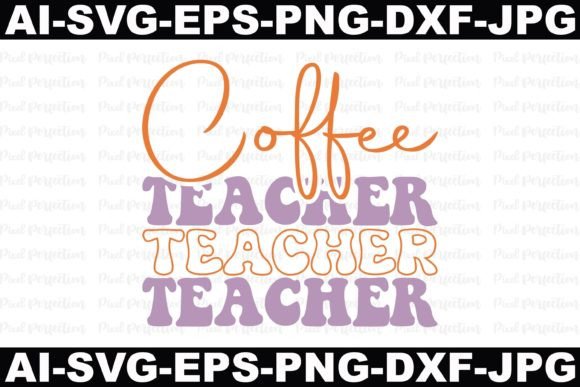
When I first opened the Coffee Teacher file, I was immediately struck by its balanced composition. As a designer who reviews countless graphics for production viability, I look for more than just a cute concept; I look for structural integrity. This design captures that specific intersection of caffeine culture and educator appreciation without feeling cluttered or overly cartoonish. The visual mood is warm, approachable, and distinctly farmhouse-adjacent, which makes it highly versatile for various crafts. It does not rely on excessive detail that might get lost in translation from screen to fabric. Instead, it uses clear shapes and intentional negative space, suggesting that the digitizer understood how thread behaves differently than ink.
The layout feels purposeful. Whether you are viewing this as a digital asset for print or preparing it for needle and thread, the hierarchy is solid. The typography interacts well with the illustrative elements, creating a cohesive unit rather than two separate ideas fighting for attention. For an embroidery designer, this is a relief. We often have to spend hours redrawing text because the original graphic was too thin or too ornate for a satin stitch or legible running stitch. Coffee Teacher appears ready for adaptation, respecting the physical limitations of textile art while maintaining its charm.
Real-World Application: The Teacher Tote Bag Test
To truly evaluate this design, I mentally placed it onto a canvas tote bag intended as an end-of-year gift for a kindergarten teacher. This is a classic use case where aesthetics must meet durability. Teachers carry heavy loads, and their bags undergo significant wear. In this scenario, Coffee Teacher shines because of its potential for mixed-media execution. I envision the main graphical elements as an applique design using a textured linen or felt, which reduces overall stitch density and prevents the bag from becoming stiff or bulletproof.
The lettering in this context needs to be robust. If I were stitching this out, I would ensure the font weight is sufficient to cover the canvas weave without puckering. The design’s proportions allow for placement in the center of a 5x7 hoop or larger, making it ideal for standard tote bag design work. From a customer perspective, specifically parents buying gifts or teachers purchasing for themselves, this design signals thoughtfulness. It avoids the generic "apple" cliché while still honoring the profession. When selling finished products on Etsy or at craft fairs, this level of specific, relatable niche targeting is what converts browsers into buyers. It tells a story that resonates with the tired, caffeinated educator demographic.
Navigating Fabric Choices and Hoop Limitations
While Coffee Teacher is versatile, no design is immune to physics. When applying this to custom apparel like sweatshirts or t-shirts, you must consider the base fabric. On a high-pile fleece sweatshirt, the fine details of any coffee-themed illustration can sink and disappear. In these cases, I recommend using a water-soluble topping to keep the stitches visible and crisp. Conversely, if you are working with thin, stretchy jersey knits for a summer tee, the stabilizer choice becomes critical. A cut-away stabilizer is non-negotiable here to prevent the design from distorting the garment's drape or causing tunneling around the edges.
Be cautious with small hoop sizes. While the design likely scales down, reducing complex graphics below 3 inches often compromises legibility. Tiny lettering turns into unreadable bumps of thread. If you need a smaller version for a pocket or sleeve, consider simplifying the design to just the icon or just the text. Also, consider fabric texture. Dark fabrics require adequate underlay to prevent the base color from showing through lighter threads, which adds density. Always test on scrap material first. What looks perfect in your embroidery software might pull or gap on actual linen or denim. This step saves time, thread, and frustration.
Commercial Viability and Product Value
For Etsy sellers and small business owners, Coffee Teacher offers strong commercial potential beyond simple apparel. Consider expanding into home decor items like tea towels or mug rugs. These items are popular holiday gifts and allow for higher price points due to perceived utility. The design’s aesthetic fits perfectly within the modern farmhouse trend that dominates handmade marketplaces. However, value is created through execution. A poorly hooped, puckered design devalues the product instantly. Professional presentation requires consistent tension and clean trimming.
If you are selling the digital embroidery file itself, transparency is key. Clearly state tested sizes, recommended stabilizers, and thread counts. Buyers trust designers who provide technical guidance alongside the art. For those selling physical goods, use this design to build brand consistency. If your shop focuses on educator gifts, Coffee Teacher can anchor a collection. Pair it with matching stencils for mugs or printable cards to create a cohesive product line. This cross-category application maximizes the return on your design investment and encourages repeat customers who appreciate a unified aesthetic.
Essential Designer Notes for Success
Before you commit to a full production run or list a new item, adhere to these practical checkpoints:
- Verify Licensing: Confirm whether your purchase includes commercial rights for both physical products and digital files. Never assume; always check the specific terms provided with the SVG or embroidery assets.
- Contrast Testing: View the design in black and white before stitching. If the values are too similar, the design will look muddy in thread. Ensure distinct separation between background and foreground elements.
- Density Check: Open the file in your editing software to inspect stitch paths. Look for unnecessary jumps or trims that could slow down production or weaken the fabric.
- Mockup Reality: Create realistic mockups for your listings. Do not rely solely on flat digital renders. Show the design on a wrinkled tote or worn sweatshirt to manage customer expectations regarding scale and placement.
- Washability: Remember that teacher gear gets washed frequently. Ensure your top thread and bobbin thread are colorfast and that your stabilizer can withstand industrial laundering without dissolving or shrinking excessively.
Final Thoughts on Production Readiness
Coffee Teacher represents a solid opportunity for makers who understand their audience. It bridges the gap between trendy graphics and functional, heartfelt gifting. Its success in your shop depends less on the file itself and more on your technical proficiency and marketing strategy. Treat it as a foundation for quality craftsmanship. Whether you are creating a personalized gift for a favorite mentor or stocking your online boutique for the back-to-school rush, this design has the bones to support a successful project. Just remember to respect the medium, test your variables, and let the quality of your finished product speak as loudly as the design itself.