Classroom Items Clipart: An Embroidery Designer's Review
First Impressions for Back-to-School Stitching Projects
As a professional embroidery designer and product reviewer, I approach every new graphics pack with a specific question: will this actually stitch out cleanly on fabric? When evaluating the Classroom Items Clipart School Clipart collection, my immediate focus is on the versatility of the vector lines and how they translate from screen to textile. This set includes 15 distinct designs provided in SVG, DXF, JPG, and PNG formats within a compressed ZIP file. For those of us in the Crafts category, specifically working with machine embroidery, having both SVG and DXF options is crucial. These vector formats are the foundation for creating a high-quality embroidery file, allowing us to manipulate nodes and adjust paths before we ever assign stitch types.
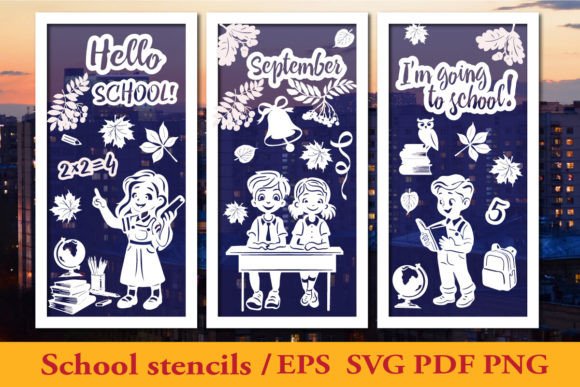
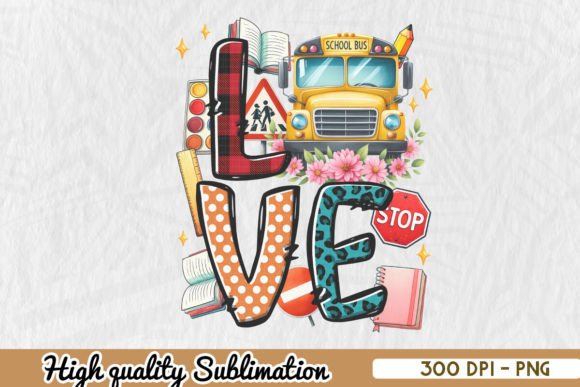
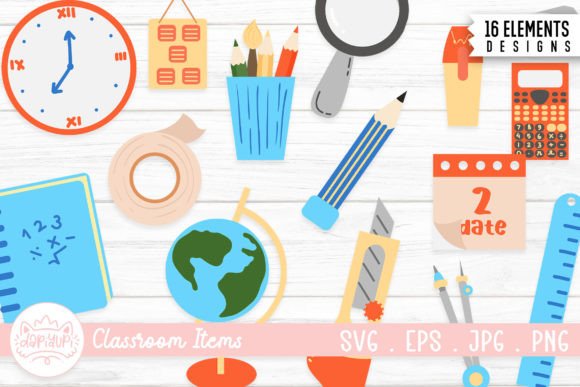
The visual personality of these classroom items strikes a balance between playful and structured. They possess enough detail to be recognizable as educational tools—pencils, books, apples, and rulers—without being so intricate that they become a nightmare for digitizing. The mood is distinctly academic yet approachable, making it ideal for custom apparel and school spirit wear. However, as with any digital asset intended for physical production, the true test lies in how these graphics perform when converted into stitches. A clean line on a monitor does not always guarantee a smooth satin stitch or a flat fill stitch on textured cotton or fleece.
Real-World Application: Digitizing for Teacher Tote Bags
To truly evaluate this clipart, I mentally applied it to a recent client request: a personalized canvas tote bag for an elementary school teacher. Teachers need durable, functional gear, and a tote bag design featuring classroom icons is a perennial bestseller for Etsy sellers and small shops. Using the SVG files from this pack, I envisioned arranging three to four items in a scattered, organic layout rather than a rigid grid. This approach feels more modern and handmade, increasing the perceived value of the finished product.
In this scenario, the Classroom Items Clipart School Clipart serves as excellent raw material for an applique design. Because the shapes are distinct, I can easily assign fabric fills to the main bodies of the books or apples while using running stitches for internal details like book spines or pencil lead. This hybrid technique reduces overall stitch density, which is vital for keeping a tote bag lightweight and flexible. If I were to use solid fill stitches for the entire design, the canvas would become stiff and bulletproof. By leveraging the clean vectors in this set, I can create a design that looks professional but remains soft to the touch. For commercial embroidery businesses, this efficiency translates directly to faster run times and higher profit margins.
Navigating Fabric Limitations and Hoop Constraints
While these graphics are versatile, experienced makers know that context dictates success. Not every item in this collection will work on every substrate. When planning baby embroidery projects, such as bibs or onesies, you must be cautious with scale. Some classroom items may have thin elements, like ruler markings or pencil tips, that could get lost or cause puckering on stretchy knit fabrics. In these cases, I recommend simplifying the design or converting fine lines into thicker satin columns to ensure visibility and durability after washing.
Textured fabrics present another challenge. If you are stitching sweatshirt embroidery on heavy fleece or terry cloth, the inherent texture of the fabric can swallow fine details. For the Classroom Items Clipart School Clipart, this means avoiding tiny text or intricate shading lines unless you use a water-soluble topping. Without proper stabilization and a topping, even the best-digitized file will look muddy on high-pile fabrics. Conversely, on smooth, tightly woven fabrics like quilting cotton or poplin, these designs can handle significantly more detail. Always match the complexity of the graphic to the weave of your fabric.
Hoop size is another practical consideration. While the digital files are scalable, physics still applies. Enlarging a simple apple icon to fit a 6x10 hoop might result in excessive jump stitches or poor coverage if the original vector wasn't designed for that magnitude. Similarly, shrinking a detailed stack of books down to a 4x4 cap hoop could result in thread breaks and needle damage. Before committing to a large production run, verify that the specific items you choose from this 15-piece set are appropriate for your target hoop size.
Elevating Brand Value Through Professional Presentation
For creative entrepreneurs and small shop product owners, presentation is just as important as the stitch-out. The inclusion of 15 JPG and PNG files alongside the vectors is a significant advantage for marketing. High-resolution raster images allow you to create accurate printable mockups for your listings without needing to stitch out every single variation first. This is essential for testing market demand. You can showcase a personalized gift concept using the PNG assets to gauge customer interest before investing time in digitizing and sampling.
Furthermore, consistency builds trust. Using a cohesive clipart set like Classroom Items Clipart School Clipart ensures that your entire back-to-school collection shares a unified aesthetic. Whether you are selling embroidered patches, custom aprons, or digital design assets, maintaining a consistent line weight and style across products reinforces your brand identity. Customers recognize quality, and disjointed graphics often signal amateur work. These files provide a professional baseline that helps handmade product creators compete with mass-market alternatives.
Essential Technical Notes for Makers and Sellers
Before you begin your next embroidery project with this collection, please adhere to these practical guidelines to ensure safety and quality:
- Verify Licensing: Always check the specific license terms included in the download. Confirm whether you have rights for commercial use, especially if selling finished goods or modified digital files.
- Test Stitch First: Never run a new design directly on a customer’s garment. Test on scrap fabric similar to your final project to check tension, density, and registration.
- Check Stabilizer Pairing: Use cut-away stabilizer for knits and tear-away for wovens. The right stabilizer prevents distortion, especially for designs with heavy fill areas.
- Review Thread Colors: Digital colors rarely match thread charts perfectly. Select thread colors based on physical samples, not screen previews, to ensure the holiday embroidery or school theme pops correctly.
- Inspect Small Details: After extracting the ZIP file, open the SVG/DXF files in your embroidery software to identify any open paths or overlapping nodes that need correction before digitizing.
- Mockup Testing: Use the provided JPG/PNG files to test contrast against different background colors. A yellow pencil might disappear on cream fabric but shine on navy blue.
Ultimately, Classroom Items Clipart School Clipart offers a robust starting point for a wide range of crafting and business applications. From craft business branding to heartfelt teacher gifts, the utility of these graphics depends entirely on the maker's technical judgment. By respecting the relationship between digital art and physical thread, you can transform these simple vectors into profitable, cherished keepsakes. Remember to extract your files carefully and keep your original downloads backed up, as organized design assets are the backbone of an efficient studio workflow.