Thermometer SVG: A Designer’s Embroidery Review
First Impressions: Visual Clarity and Stitch Potential
When evaluating the Thermometer SVG for potential embroidery projects, my immediate focus is on line integrity and shape definition. As a digital graphic originally intended for scrapbooking, cards, and decals, this design possesses a clean, bold aesthetic that translates surprisingly well to needle and thread. The visual personality of this thermometer strikes a balance between scientific precision and playful nostalgia. It does not feel overly clinical, which makes it an excellent candidate for custom apparel and handmade products where warmth and character are just as important as accuracy.
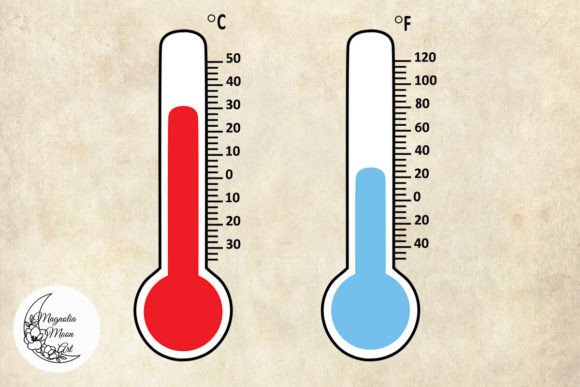
From a digitizing perspective, the distinct separation between the "heat" and "cold" indicators suggests natural color change points. This is crucial for machine embroidery design efficiency. Unlike complex illustrations with blended gradients, this vector-based art allows for clear blocks of color. I can immediately visualize using a vibrant red fill stitch for the rising mercury and a cool blue for the lower register, separated by crisp satin stitch borders. The simplicity of the lines means there is less risk of puckering on lighter fabrics, provided the stitch density is managed correctly during the digitization or conversion process.
Real-World Application: Stitching a Weather-Themed Tote Bag
To truly test the viability of this Thermometer SVG, I approached it with a specific client project in mind: a canvas tote bag design for a local farmers' market vendor who wanted branding that reflected seasonal freshness. Canvas is a forgiving but textured fabric, making it the perfect testing ground for this graphic.
In this scenario, the thermometer served as a central motif surrounded by text. Because the SVG format provides scalable vectors, I was able to resize the design to fit a 5x7 hoop without losing edge sharpness. During the stitching process, the bold outlines acted as a containment field for the fill areas. This is where the quality of the original digital embroidery file matters most. If the nodes were messy, the needle would have hesitated at the curves of the bulb. However, the clean geometry of this clip art allowed for smooth satin columns.
The result was a professional-looking embroidered patch effect directly on the bag. Customers responded well to the retro-modern vibe, associating the imagery with fresh, temperature-sensitive produce rather than medical equipment. This confirms that when used in commercial embroidery contexts, this design carries enough stylistic weight to add perceived value to merchandise. It bridges the gap between functional iconography and decorative art, which is exactly what Etsy sellers and small shop product creators need to stand out.
Versatility Across Apparel and Nursery Decor
Beyond tote bags, this design shows immense promise for sweatshirt embroidery and baby embroidery. For nursery decor, the thermometer can be personalized with birth statistics—temperature at birth, time, or weight—using the scale as a visual ruler. The rounded edges of the graphic make it safe and soft for baby items, avoiding sharp, aggressive angles. On sweatshirts, it works beautifully as a left-chest logo or a sleeve accent. The vertical orientation fits naturally along seam lines or pocket placements, demonstrating strong layout versatility for personalized gifts.
Critical Considerations: Fabric, Hoop Size, and Density
While the Thermometer SVG is versatile, it is not immune to the physical limitations of thread and fabric. As an experienced reviewer, I must highlight where caution is required to ensure a high-quality finished product.
- Stretchy Fabrics: When applying this to knits or performance wear, the vertical nature of the design can cause tunneling if the stabilizer is insufficient. The column of stitches acts like a zipper; without proper cut-away backing and potentially a water-soluble topping, the fabric may distort between the heat and cold sections.
- Small Hoop Sizes: If you intend to use this on caps or infant onesies requiring a 4x4 hoop, verify the detail level. Thermometers often include small degree markers or text. At reduced sizes, these elements can become dense thread blobs. You may need to edit the embroidery file to remove micro-details or convert thin lines to running stitches to prevent needle breaks and fabric damage.
- Dark vs. Light Fabrics: The design relies heavily on contrast. On dark garments, ensure your outline color contrasts against both the fabric and the internal fill colors. A white outline on a navy shirt containing red and blue fills creates necessary separation. Without this, the thermometer merges into the background, losing readability.
- Curved Surfaces: For holiday embroidery on stockings or curved cap fronts, the straight vertical alignment might look skewed. Consider rotating the design slightly or using a specialized hoop to maintain geometric integrity.
Enhancing Product Value and Brand Consistency
For creative entrepreneurs, the value of an asset lies in its ability to generate sales and trust. This Thermometer SVG contributes to brand consistency by offering a recognizable, repeatable motif. Whether you are creating printable mockups for digital listings or stitching physical samples, the consistent line weight ensures your brand looks cohesive across platforms.
Buyer engagement often hinges on clarity. A muddy, poorly digitized thermometer looks amateurish. By utilizing the clean vectors of this SVG as a foundation for high-quality digitizing, you signal professionalism. For craft business owners selling at fairs, items featuring this design should be photographed in natural light to show stitch texture. The interplay of light on the satin stitches adds a tactile premium feel that flat printed graphics cannot replicate. This tangible quality justifies higher price points for custom apparel and boutique goods.
Designer Notes: Best Practices Before You Stitch
Before loading this design into your machine or listing it in your shop, adhere to these practical protocols to protect your reputation and materials:
- Test on Scrap Fabric: Never stitch directly onto a final garment without a test run. Use a scrap of the exact same material and stabilizer combination you plan to use. Check for registration errors between the outline and fill.
- Verify Licensing: This product is listed as an instant download for various crafts. However, always confirm the specific license terms regarding commercial embroidery. Ensure you are permitted to sell finished physical products versus digital files. Reselling the digital embroidery file itself is typically prohibited.
- Check Thread Colors: Monitor your thread colors under different lighting conditions. Red threads, in particular, can vary wildly between brands. Choose shades that offer distinct contrast to clearly communicate the "heat vs. cold" concept.
- Mockup Validation: Create black and white mockups to test value contrast. If the design looks flat in grayscale, it will lack depth in thread. Adjust densities or add texture fills if necessary.
- Format Compatibility: While SVG, DXF, and EPS are excellent source formats, ensure your embroidery software converts them cleanly to your machine's native format (PES, DST, JEF, etc.). Vector-to-stitch conversion requires careful parameter setting; do not rely solely on auto-digitize features for commercial-grade results.
By treating the Thermometer SVG as a foundational design asset rather than a simple clip art file, you unlock its full potential. It serves as a reliable, adaptable element for everything from school project keepsakes to high-end boutique merchandise. With mindful preparation and respect for the medium, this design delivers both aesthetic charm and structural integrity for your embroidery portfolio.