In My 6th Grade Teacher Era: Groovy Retro Review
As a professional embroidery designer and product reviewer, I approach every new graphic with a specific question: will this actually stitch out well on real fabric? When evaluating In My 6th Grade Teacher Era Groovy Retro, my focus shifts immediately from the screen to the hoop. This design taps into a massive trend in the education niche, blending nostalgia with current aesthetic preferences. However, for those of us running a craft business or managing an Etsy shop, the difference between a pretty SVG on a computer and a high-quality finished product is everything. This review breaks down how this retro-inspired graphic translates into tangible custom apparel and merchandise.
First Impressions: Visual Mood and Stitch Potential
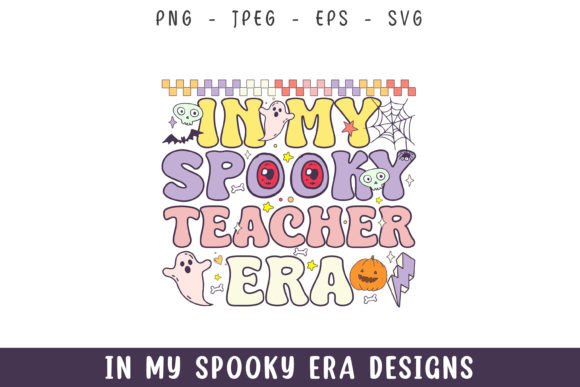
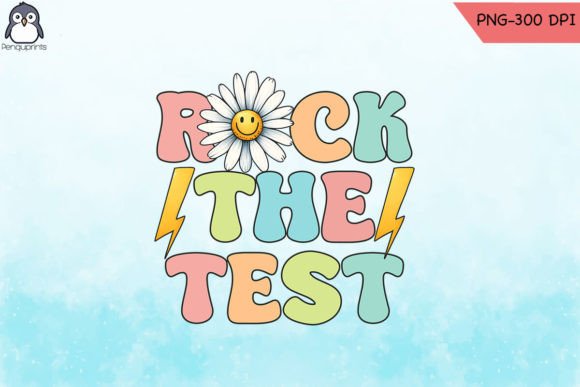
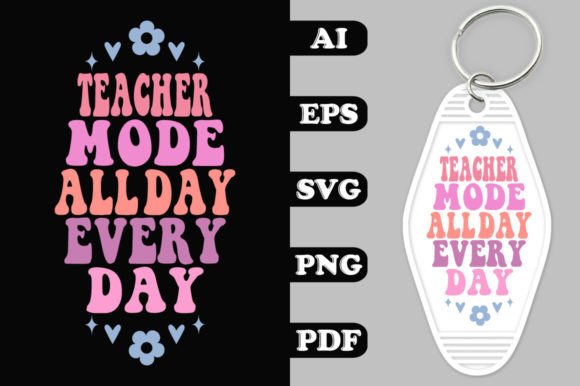
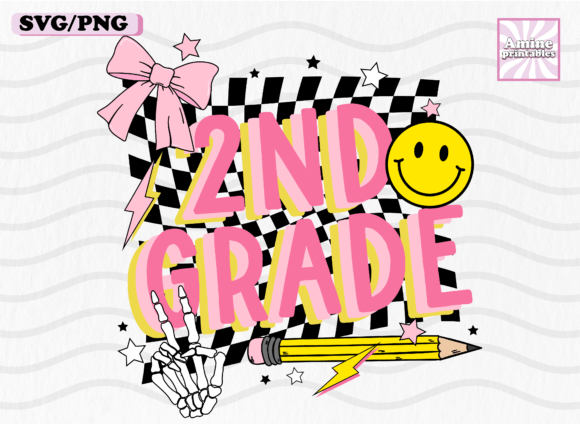
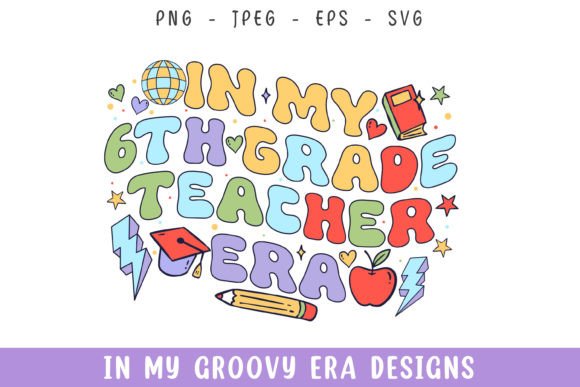
Upon opening the file, the first thing that stands out is the typography. The "Groovy" aesthetic relies heavily on fluid, organic letterforms rather than rigid block text. For a machine embroidery design, this is generally a positive indicator. Curved, flowing letters tend to digitize better than sharp, tiny serifs because they allow for smoother needle travel. The layout of In My 6th Grade Teacher Era Groovy Retro feels balanced, suggesting it was created with scalability in mind. Since the product description notes it is made with 100% vector shapes, we can expect clean lines when resizing.
The mood is undeniably warm and approachable. It avoids the sterile look of standard school graphics, opting instead for a personality-driven vibe that resonates with teachers who want to express individuality. From a design asset perspective, this visual warmth is crucial. When customers browse Etsy seller listings or printable mockup previews, they are buying a feeling as much as a garment. This design succeeds in conveying that retro comfort, but its true test lies in how those vectors convert to stitches.
Real-World Application: The Sweatshirt Test
To truly evaluate this graphic, I mentally placed it in a real-life production scenario. Let’s say I am fulfilling a custom order for a middle school teacher wanting a cozy crewneck sweatshirt for the first week of school. This is a classic use case for sweatshirt embroidery. Fleece and French terry fabrics have texture and pile, which can swallow fine details. Because In My 6th Grade Teacher Era Groovy Retro features bold, retro styling, it is naturally suited for this challenge. Thicker lines and open spaces typically perform better on textured fabrics than intricate, dense artwork.
I also considered how this would work as a tote bag design. Canvas tote bags are staples for educators carrying books and supplies. The resizable nature of the vector file means I could scale the design up for a large center chest placement on a sweatshirt or down for a pocket-sized logo on a canvas bag without losing integrity. For a small shop product line, having one versatile graphic that works across multiple blanks increases profitability and streamlines inventory. The ability to easily change colors for dark versus light garments, as noted in the specs, further enhances its utility for batch production.
Navigating Fabric Challenges and Technical Limits
While the retro style is forgiving, no embroidery file is immune to physics. There are specific scenarios where caution is required. If you plan to use this on stretchy performance wear or thin rayon blends, the design's density becomes a critical factor. Retro fonts often utilize satin stitches or wide fill areas. On unstable fabrics, this can cause puckering if the proper stabilizer isn't used. Always pair this design with a cut-away stabilizer for knits to maintain the shape of those groovy curves after washing.
Be mindful of hoop size limitations when resizing. While vectors are infinitely scalable digitally, your machine has physical constraints. If you shrink In My 6th Grade Teacher Era Groovy Retro too small for a baby onesie or sleeve cuff, the lettering may become illegible. Satin stitches have a maximum width before they require splitting, and running stitches can disappear into fabric weave if scaled below a certain threshold. Conversely, enlarging it for a large pillow cover requires checking stitch density. Simply stretching a digitized file can result in sparse coverage; ensure your software compensates for density changes during resizing.
Dark fabrics present another variable. The product mentions easy color changes for dark t-shirts, which is excellent. However, remember that white thread on black fabric often requires an underlay base to prevent the dark fabric from showing through the stitches. Verify that the digitization includes adequate underlay for contrast scenarios, or add it manually during the editing phase to ensure the retro pop remains vibrant.
Commercial Value and Customer Perception
For creative entrepreneurs, the value of a design extends beyond stitch quality to marketability. In My 6th Grade Teacher Era Groovy Retro hits a sweet spot for personalized gift buyers. Teachers love items that acknowledge their specific grade level while staying fashionable. This specificity builds customer trust; it shows you understand their identity. When listing this as part of a commercial embroidery lineup, emphasize the customization aspect. Buyers are more likely to purchase a "6th Grade" specific item than a generic "Teacher" shirt because it feels bespoke.
Brand consistency is another benefit. Using cohesive graphics like this across mugs, apparel, and patches creates a recognizable boutique identity. If you sell digital products, this vector-based file serves as a strong foundation for creating sublimation transfers or vinyl decals alongside embroidery. Just ensure you verify licensing terms before selling the raw digital embroidery file versus selling the handmade product. Understanding these rights protects your business and respects the original creator.
Essential Designer Notes Before You Stitch
Before loading In My 6th Grade Teacher Era Groovy Retro into your machine for a paid order, follow these practical steps to guarantee professional results:
- Test on Scrap Fabric: Never assume settings transfer perfectly between fabric types. Run a sew-out on the exact material you intend to use, especially if switching from cotton to fleece.
- Check Thread Contrast: View the design in black and white within your software to identify potential contrast issues. What looks distinct in color might blend together in tonal embroidery.
- Verify Licensing: Confirm whether your purchase allows for commercial use on finished goods or digital redistribution. This distinction is vital for Etsy sellers and craft fair vendors.
- Inspect Small Details: Zoom in to 100% in your embroidery software. Look for overlapping stitches or gaps that might not be visible at thumbnail size.
- Stabilizer Selection: Match your stabilizer weight to the fabric and design density. A heavy retro font on lightweight linen needs different support than the same font on denim.
- Mockup Validation: Create realistic mockups on both light and dark backgrounds to see how the design reads visually before committing thread.
Ultimately, In My 6th Grade Teacher Era Groovy Retro represents a strong intersection of trend and technical viability. Its vector construction offers flexibility, and its aesthetic aligns perfectly with current market demands in the education niche. By applying professional judgment regarding fabric choice, stabilization, and scaling, you can transform this graphic into a best-selling embroidery project that delights teachers and boosts your shop's reputation for quality.