Old School Tattoo Birds: A Stitch-Out Review
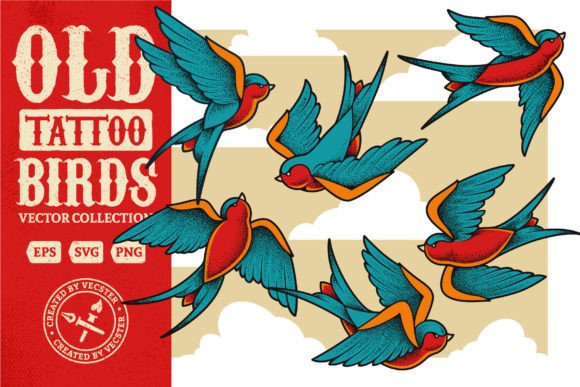
When evaluating a new machine embroidery design for my studio, I look past the digital preview and focus entirely on how the artwork translates through needle and thread. The Old School Tattoo Birds collection immediately caught my attention because traditional American tattoo aesthetics rely heavily on bold lines and solid color blocks—elements that generally digitize well but require careful execution to avoid looking flat or overly dense. As a designer who creates both custom apparel and commercial assets for fellow makers, I needed to verify if these six distinctively styled swallow bird images could withstand the rigors of real-world production while maintaining that authentic vintage charm.
Capturing the Traditional Ink Aesthetic in Thread
The first impression of this graphics collection is striking. The designs successfully mimic the heavy outlines and limited color palettes characteristic of mid-century flash art. For an embroidery project, this is a significant advantage. Unlike photorealistic designs that demand thousands of color changes and complex shading, these swallows utilize clear negative space and defined shapes. This makes them visually readable from a distance, which is crucial for merchandise sold at craft fairs or displayed in Etsy listings.
However, the "bold strokes" mentioned in the product description present a specific technical consideration. In embroidery, a bold line usually translates to a wide satin stitch or a dense fill stitch. While this creates the desired graphic impact, it also introduces potential puckering risks on lighter fabrics. When reviewing the digital file, I noted that the intricate placement of details suggests a need for precise registration. If your machine’s tension is slightly off, those crisp tattoo lines can become jagged. I strongly recommend running a test stitch-out on scrap fabric that matches your final project's weight before committing to a customer order or personal masterpiece.
Real-World Application: The Vintage Sweatshirt Test
To truly judge the viability of Old School Tattoo Birds, I approached this review with a specific scenario in mind: creating a high-value, vintage-inspired sweatshirt for a boutique capsule collection. Sweatshirts are currently a staple for every small shop product lineup, but they are unforgiving. The fleece backing and stretchy knit require excellent stabilizer choices and design stability.
I selected one of the mid-sized swallow designs for the left chest placement. The goal was to create a personalized gift feel without the design getting lost in the fabric texture. During the stitch-out, the bold outlines performed admirably, anchoring the design effectively. The traditional aesthetic naturally complements the casual, lived-in vibe of heavyweight cotton fleece. For fellow apparel decorators, this confirms that the collection works exceptionally well for custom apparel where the garment itself provides a textured canvas. The birds have enough visual weight to stand up against the nubby surface of french terry or fleece, whereas more delicate, fine-line designs might disappear.
This success translates directly to other heavy-duty items like tote bag designs and embroidered patches. The graphic nature of the swallows means they remain legible even when viewed quickly, making them ideal for functional handmade products that see daily wear and tear.
Navigating Fabric Limitations and Hoop Constraints
While these designs shine on stable, medium-to-heavyweight fabrics, caution is necessary for other applications. As an experienced reviewer, I must highlight where Old School Tattoo Birds might struggle. The density required to achieve that opaque, ink-like tattoo look means these files are likely too heavy for sheer fabrics, lightweight linen tea towels, or delicate baby clothes. Stitching a dense satin border onto a thin onesie could result in a stiff, uncomfortable patch that distorts the garment's drape.
Furthermore, consider your hoop size and resizing capabilities. Traditional tattoo art relies on proportion. If you attempt to shrink these designs down for a tiny collar tag or a miniature quilt block, the intricate internal details may merge into a solid lump of thread. Conversely, enlarging them significantly beyond their original digitized dimensions can cause the satin stitches to exceed the maximum jump length, leading to looping or thread breaks. Always check the native dimensions of the embroidery file and respect the digitizer’s intended scale.
For curved surfaces like caps, the bold horizontal flow of some swallow wings might require rotation or modification to sit correctly on the curved brim area. Flat mockups can be deceiving; always test on the actual three-dimensional surface if you plan to offer hat embroidery as part of your craft business services.
Commercial Value for Makers and Digital Sellers
Beyond the physical stitch-out, we must consider the business side. For Etsy sellers and creative entrepreneurs, versatility is key. This collection offers six variations, allowing for cohesive branding across different product lines. You could use a larger swallow for a back-of-jacket piece and a smaller, simpler variation for a matching wrist cuff or pocket accent. This consistency builds brand recognition and encourages customers to buy multiple items.
If you are selling finished products, the "traditional tattoo" niche has enduring appeal. It signals quality and timelessness rather than fleeting trends. However, professionalism extends beyond the design itself. Ensure you understand the licensing terms associated with this digital embroidery file. Confirm whether you are permitted to sell physical embroidered items, printable mockups, or if the license restricts you to personal use only. Protecting your business means respecting intellectual property just as much as mastering stitch density.
For those creating digital product previews or marketing materials, these bold graphics photograph beautifully. The high contrast makes for eye-catching social media content and clear listing photos, which is essential for buyer engagement in a crowded marketplace.
Essential Designer Notes for Success
Before you load Old School Tattoo Birds into your machine for a holiday embroidery rush or a client commission, keep these practical tips in mind:
- Stabilizer Selection is Non-Negotiable: Due to the bold strokes and potential density, use a high-quality cut-away stabilizer for knits and stretchy fabrics. Tear-away may not provide enough support during the stitching of thick outlines, leading to misalignment.
- Thread Color Contrast Matters: Traditional tattoo style relies on black outlines. If stitching on dark fabric, ensure your outline thread has enough contrast or consider using a white underlay base to make the colors pop. Test this specifically, as dark-on-dark embroidery often loses the definition that makes this style special.
- Check Registration Marks: Before stitching on a final product, inspect the design in your editing software. Look for adequate tack-down stitches if any applique elements are present, and ensure jump stitches are trimmed efficiently to reduce post-production cleanup time.
- Fabric Texture Compatibility: Remember that smooth fabrics show off the intricacy best. Highly textured fabrics like boucle or chunky knits may obscure the fine details within the bird’s wings or tail feathers.
- Washability Testing: If creating baby embroidery or kitchen textiles, wash your test sample aggressively. Bold satin stitches can sometimes pull away from the fabric edge after repeated laundering if the underlay wasn't sufficient. Better to discover this during testing than after delivering a paid order.
Ultimately, Old School Tattoo Birds represents a strong addition to any embroiderer’s library, provided it is matched with the right substrate. It bridges the gap between artistic expression and commercial viability, offering a timeless aesthetic that resonates with modern buyers seeking authentic, handcrafted quality. By approaching these designs with technical mindfulness and respect for the medium, you can transform digital graphics into tangible, profitable, and beautiful finished products.