Pre-K Teacher Apple Cut File: An Embroidery Review
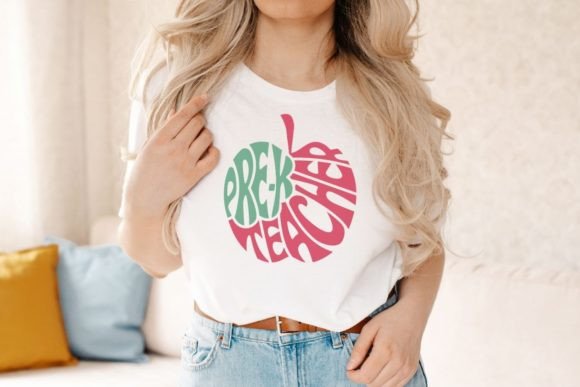
As a professional embroidery designer and product reviewer, I approach every new graphic with a specific question: will this translate beautifully from screen to stitch? When evaluating the Pre-K Teacher Cut File Teacher Apple, my focus shifts immediately from its digital versatility to its physical potential. This design, which creatively shapes the words "Pre-K Teacher" into the silhouette of an apple, is clearly marketed toward the crafting community. However, for those of us running a craft business or managing commercial embroidery projects, we need to look past the file list and analyze the structural integrity of the artwork for needle and thread.
First Impressions: Whimsy Meets Structural Clarity
My initial assessment of this graphic is positive regarding its thematic resonance. The typography-as-shape concept is inherently playful, making it ideal for the early education niche. Visually, the apple shape provides a natural boundary that contains the text, which is crucial for embroidery project planning. Unlike sprawling script fonts that can get lost on fabric, this compact form suggests excellent placement options for left-chest logos, tote bag centers, or sleeve accents.
From a digitizing perspective, the success of this machine embroidery design will depend entirely on how the lettering connects. In vector format, the lines may look seamless, but in embroidery, we must ensure there are adequate jump stitches or connecting satin columns to prevent the apple from looking disjointed after washing. The mood is undeniably warm and appreciative, perfect for personalized gift creation or teacher appreciation merchandise. It strikes a balance between professional recognition and handmade charm, a sweet spot for Etsy sellers targeting school staff.
Real-World Application: The Teacher Tote Bag Test
To truly evaluate this asset, I mentally placed it in a real-life production scenario: creating a custom canvas tote bag for a Pre-K teacher open house. Canvas is a forgiving fabric, but it requires precise stabilization to prevent puckering around dense text areas. For this application, the Pre-K Teacher Cut File Teacher Apple serves as an excellent centerpiece.
In this scenario, I would treat the apple outline as a guide for either a full fill stitch background or, more effectively, as an applique design. Using red cotton fabric for the apple body and white or cream thread for the internal text creates high contrast and reduces stitch count significantly. This is vital for commercial embroidery efficiency. If stitching directly without applique, the text inside the apple must be large enough to remain legible. A 4-inch wide version of this design would likely require the internal text to be converted to block lettering rather than delicate script to maintain clarity. The resulting tote bag design feels substantial, valuable, and distinctly handmade, justifying a higher price point than generic printed alternatives.
Navigating Fabric Limitations and Hoop Constraints
While the design is versatile, experienced makers know that not all substrates are created equal. I advise caution when applying this graphic to highly textured fabrics like terry cloth towels or thick fleece blankets. The intricate intersection where the letters form the apple's contour can easily get swallowed by high-pile textures. If you are producing holiday embroidery on plush items, consider adding a knockdown stitch layer beneath the design or simplifying the outer edge to a thicker satin stitch border.
Stretchy knits, such as lightweight t-shirts or baby onesies, present another challenge. Because this design relies on the negative space between letters to define the apple shape, any fabric distortion during hooping will ruin the illusion. Always use appropriate stabilizer—a cut-away mesh is non-negotiable here. Furthermore, verify your hoop size before purchasing. While the file package includes scalable vectors (SVG, EPS, DXF), resizing an embroidery file too drastically can distort stitch density. If you plan to shrink this down for a baby embroidery bib or cap, you may need to manually adjust the underlay or simplify the text elements to prevent needle breaks or thread bunching.
Critical Zones for Stitch Integrity
- The Stem and Leaf: These are typically the most fragile points in apple-shaped typography. Ensure they are anchored securely to the main body or reinforced with extra underlay stitches to prevent curling after laundering.
- Internal Text Kerning: Check the spacing between letters within the apple shape. In digital graphics, tight kerning looks modern; in embroidery, it causes perforation and fabric tearing. You may need to increase spacing slightly during digitization.
- Outer Contour Definition: If using this as a patch design, ensure the outer edge has a clean merrow or satin border. Raw edges on complex typographic shapes fray quickly on custom apparel.
Commercial Viability and Product Value
For Etsy seller accounts and small shop owners, visual presentation is everything. This design’s dual nature allows for diverse inventory. You can offer the digital embroidery file to fellow hobbyists while simultaneously selling finished sweatshirt embroidery products to parents and teachers. The cohesive shape makes for excellent printable mockup creation; because the design is self-contained, it photographs well on flat lays and lifestyle shots without needing excessive styling props.
Customer trust in the handmade market relies on perceived quality. A poorly digitized version of this apple where letters disconnect or pucker will result in returns. Conversely, a professionally executed version elevates your brand consistency. When clients see that the "Pre-K Teacher" text is perfectly integrated into the fruit shape with smooth transitions and balanced stitch density, they recognize the craftsmanship. This attention to detail transforms a simple graphic into a premium small shop product that commands respect and repeat business.
Designer Notes: Before You Thread the Needle
The product listing confirms you receive JPG, PNG, EPS, SVG, DXF, and PDF files. This is a comprehensive suite for design assets, but please note: none of these are native embroidery machine formats (like PES, DST, JEF, or EXP). This is a critical distinction for buyers. You cannot load an SVG or DXF directly into most embroidery machines. You must either digitize this vector art yourself using embroidery software or hire a professional digitizer to convert it into a stitch file.
Before committing this design to a final finished product, follow this practical checklist:
- Verify Licensing: Confirm whether the license permits commercial use of both the digital files and physical embroidered goods. Terms vary significantly between designers.
- Test on Scrap Fabric: Never run a new design on a client’s garment first. Test on the exact fabric and stabilizer combination you intend to use for the final project.
- Check Thread Contrast: Run a black-and-white simulation in your software. If the text disappears against the apple fill in grayscale, it lacks sufficient contrast for embroidery. Adjust thread colors accordingly.
- Inspect Small Details: Zoom in to 200% in your digitizing software. Look for overlapping stitches at the letter junctions that could cause needle deflection or thread breaks.
- Mockup Validation: Create both light and dark background mockups. A red apple with white text pops on navy sweatshirts but may vanish on burgundy. Ensure your color palette works across your entire product line.
Ultimately, the Pre-K Teacher Cut File Teacher Apple offers a charming foundation for educational-themed embroidery. Its success, however, lies not in the download but in the thoughtful translation from vector to stitch. By respecting the technical demands of the medium and testing rigorously, makers can turn this lovely graphic into enduring, high-quality embroidered goods that teachers will cherish for years.