Teacher Like Apple: A Designer’s Embroidery Review
When evaluating a new graphic for production, I look beyond the screen. As an experienced designer and product reviewer, my primary concern is always how a digital asset translates into a tangible, stitched reality. The Teacher Like Apple design immediately catches the eye with its nostalgic, classic aesthetic, but visual appeal on a monitor does not guarantee success under the needle. For craft business owners, Etsy sellers, and apparel decorators, understanding the practical behavior of this machine embroidery design is essential before committing it to inventory or client projects.
First Impressions and Visual Personality
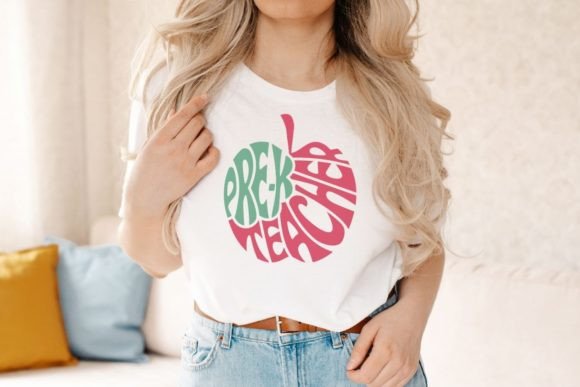
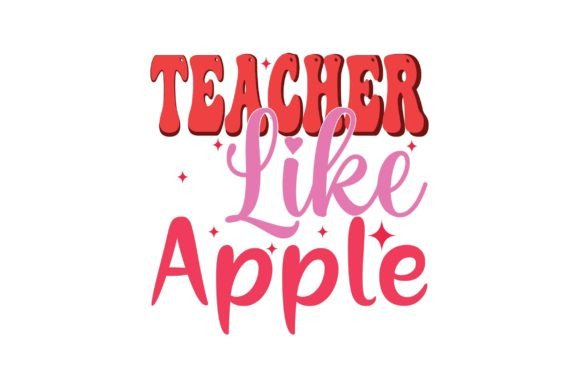
Upon opening the files, the Teacher Like Apple graphic presents a clean, recognizable silhouette that evokes warmth and academic tradition. In the realm of Crafts and Graphics, this type of imagery is evergreen. It avoids overly complex shading or microscopic details that often plague digitized art, suggesting a thoughtful approach to vector creation. The shape is balanced, which is critical for centering in a hoop. Visually, it feels like a design meant for cozy sweatshirt embroidery, vintage-style tote bag designs, or personalized gifts for educators. It carries a friendly, approachable mood that resonates well with parents, teachers, and school staff, making it a strong candidate for holiday embroidery or back-to-school merchandise.
Real-World Application: The Custom Sweatshirt Test
To truly judge this asset, I mentally placed it in a real-life scenario: creating a custom crewneck sweatshirt for a local teacher appreciation event. This is a common request for small shop products and requires a design that stitches out cleanly on fleece-backed fabric. Fleece has significant texture, which can swallow fine details. Because Teacher Like Apple relies on bold shapes rather than intricate line work, it is theoretically well-suited for this application.
For this specific embroidered patch or direct-to-garment project, I would treat this as a potential applique design foundation. If using the SVG or DXF file to create a cut file for fabric applique, the smooth curves are advantageous for both cutting machines and satin stitch borders. However, if stitching the design directly as a fill, one must consider stitch density. Fleece requires adequate stabilization; without it, even a simple apple shape can distort. In my review assessment, this graphic offers enough surface area to anchor properly, provided the digitizer has accounted for fabric push-and-pull. For a handmade product intended as a personalized gift, the clarity of the apple shape ensures the theme is instantly readable from a distance, which is vital for customer satisfaction and perceived value.
Navigating Fabric Challenges and Hoop Limitations
While the design is versatile, professional judgment dictates caution in specific contexts. Not every embroidery project is created equal, and Teacher Like Apple requires strategic placement depending on the substrate.
- Textured and Stretchy Fabrics: On pique knits or ribbed baby clothes, the design’s edges must be crisp. If the stitch count is too low, the fabric texture will show through; if too high, the garment may become stiff. Always test on scrap fabric first.
- Small Hoop Sizes: When scaling down for baby embroidery or sleeve cuffs, verify that internal details remain distinct. Vector graphics scale infinitely, but physical thread has thickness. Ensure tiny elements do not merge when reduced to 2x2 inch dimensions.
- Curved Surfaces: For cap embroidery, the flat nature of an apple graphic can sometimes appear distorted on a curved brim. Center alignment must be precise, and a curved stabilizer is non-negotiable to prevent flagging.
- Dark vs. Light Fabrics: Contrast is key. A red apple on navy fabric pops beautifully, but on dark brown or black, you may need a white underlay or outline running stitch to define the edges. Test in black and white mockups to check value contrast before threading your machine.
Commercial Viability for Makers and Sellers
For Etsy sellers and creative entrepreneurs, time is money. A digital embroidery file that causes registration issues or excessive thread breaks destroys profit margins. Teacher Like Apple appears optimized for commercial embroidery due to its structural simplicity. It lacks the erratic jump stitches often found in auto-digitized clip art, which suggests it will run smoothly at high speeds.
This design also serves dual purposes in a craft business workflow. Beyond finished goods, the included SVG and DXF files allow for printable mockups and vinyl variations. You could offer a matching set: an embroidered sweatshirt and a vinyl-decaled tumbler using the same artwork. This consistency builds brand recognition and professionalism. When listing items, clear photos of the actual stitch-out build buyer trust far better than digital renders alone. Because this graphic fits the "teacher" niche so effectively, it has high search relevance for seasonal sales, making it a valuable addition to your design assets library.
Critical Technical Notes Before Stitching
As with any third-party asset, professional diligence is required. The download includes SVG files for Cricut Explore, Silhouette Designer Edition, Adobe Suite, Inkscape, and Corel Draw, plus DXF files for free Silhouette software users. However, please note that specific embroidery formats (like PES, DST, or JEF) are not explicitly listed in the provided description.
Before purchasing or using this for a paid order, you must confirm compatibility with your specific embroidery machine. If you are converting these vectors into an embroidery file yourself using digitizing software, pay close attention to the following:
- Verify Licensing: Confirm whether the license permits selling finished physical products versus digital files. Commercial use terms vary, and protecting your business from infringement is paramount.
- Stabilizer Selection: Match the stabilizer to the fabric weight. Use cut-away for stretchy knits and tear-away for stable wovens. Never skip this step with bold graphics like this apple.
- Thread Color Planning: Traditional apple colors are safe, but consider trending palettes for boutique appeal. Muted sages, terracottas, or navy blues can elevate the design from "craft fair basic" to "high-end handmade."
- Density Check: Inspect the stitch density settings after conversion. Standard fill should be around 0.4mm spacing for cotton, but adjust based on your thread weight and fabric type.
- Wash Testing: If producing tea towels or baby items, wash-test a sample. Ensure the stitch coverage holds up to laundering without puckering or fraying.
Final Verdict for Production Use
Teacher Like Apple is a robust, commercially viable graphic that balances charm with technical feasibility. Its strength lies in its adaptability across various mediums, from custom apparel to nursery decor. For the experienced maker, it represents a reliable base for seasonal collections and personalized gifting. By respecting the technical requirements of embroidery—proper stabilization, appropriate sizing, and fabric-specific adjustments—this design can translate beautifully from screen to stitch. It is a testament to the fact that in our industry, the best designs are those that respect both the art and the engineering of the craft. Always validate your specific machine compatibility and license terms, but aesthetically and structurally, this asset earns a confident recommendation for real-world application.