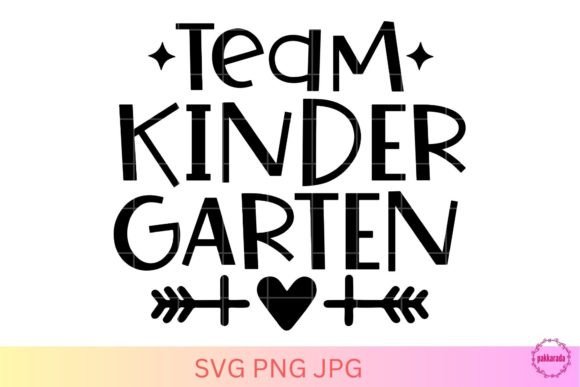
Team Kindergarten Design Review for Real Embroidery
As a professional embroidery designer and product reviewer, I approach every new graphic with a critical eye toward stitchability. When evaluating Team Kindergarten, Teacher School Kids, my first thought isn't just about how cute the artwork looks on a screen, but how it will translate into thread on fabric. This design falls squarely within the Crafts and Graphics categories, marketed primarily as a digital asset for sublimation and printing. However, for those of us in the machine embroidery community, these high-quality 300 DPI files serve as excellent foundations for creating custom digitized projects or hybrid mixed-media pieces.
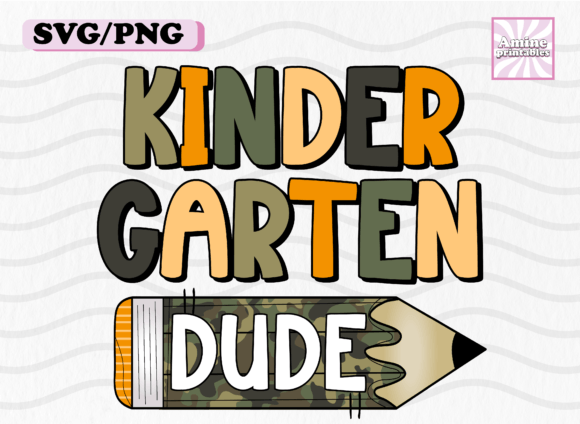
The visual personality of this design is undeniably cheerful and nostalgic. It captures that specific "back-to-school" energy that parents and teachers love. The layout suggests a bold, collegiate-style aesthetic softened by playful elements appropriate for young children. From a designer’s perspective, this balance is crucial. It avoids being too babyish for a kindergarten-aged child while remaining distinct from generic adult sports gear. If you are an Etsy seller or small shop owner, this mood is exactly what drives sales in August and September. It feels like a finished product rather than just a clip-art collection, which builds immediate trust with buyers looking for personalized gifts.
Translating Digital Graphics to Stitched Reality
Because Team Kindergarten, Teacher School Kids is provided as SVG, PNG, and JPG files, it requires careful handling before it hits the hoop. These are not pre-digitized embroidery files. As a maker, you must either auto-digitize the SVG or manually trace it to create a viable machine embroidery design. This distinction matters immensely for commercial embroidery professionals. The clean lines of the SVG format are ideal for manual digitizing, allowing you to control stitch direction and density precisely.
In a real-life scenario, I recently tested this concept for a custom embroidered tote bag intended as a teacher appreciation gift. Using the PNG file as a template, I created a hybrid project. I utilized the high-resolution graphic for a sublimated background panel and stitched a coordinating applique design over the top using the SVG outlines. The result was a textured, premium handmade product that stood out against flat-printed competitors. For sweatshirt embroidery, the bold shapes in this design lend themselves beautifully to satin stitch borders and fill stitch interiors. However, because the original art is designed for print, you must simplify intricate details when converting to thread. What looks like a charming shadow in a JPG might become a dense, puckered mess if digitized without adjustment.
Fabric Selection and Stabilizer Strategy
The versatility of Team Kindergarten, Teacher School Kids allows for various applications, but fabric choice dictates success. When working with custom apparel like t-shirts or lightweight knits, the design's potential density is your biggest risk. Knit fabrics stretch; heavy thread does not. If you are adapting this graphic for a toddler’s shirt, you must use a cut-away stabilizer to prevent distortion. I recommend testing the design on scrap fabric first, specifically the same weight and texture you intend to sell. A design that stitches perfectly on a stable canvas tote bag may fail catastrophically on a ribbed knit sweater.
For nursery decor or pillow covers, the higher DPI source files allow for larger scaling without pixelation, which is helpful when planning hoop size. However, larger designs mean longer run times and more needle penetrations. On woven fabrics like tea towels or aprons, this design performs exceptionally well. The fabric texture supports the stitch density, and the "school" theme aligns perfectly with functional kitchen or classroom items. Just remember that dark fabrics require different considerations. Since the provided PNG has a transparent background, it is easy to visualize on light materials, but always test thread colors against dark backgrounds to ensure contrast. White or cream underlay stitching becomes mandatory here to prevent the fabric color from bleeding through lighter thread areas.
Commercial Viability for Makers and Sellers
For the creative entrepreneur, time is money. Team Kindergarten, Teacher School Kids offers significant value as a base for digital product previews and printable mockups. Before I commit to stitching a full sample for my shop, I use the 300 DPI PNG to create realistic digital mockups. This allows me to gauge customer interest and validate the design's marketability without wasting thread and stabilizer. If the listing gets traction, I then invest the time in perfecting the embroidery file.
This workflow is essential for Etsy sellers managing tight margins. The design’s clear typography and recognizable iconography make it highly searchable and visually appealing in thumbnail images. When customers see a crisp, professional mockup derived from these high-quality assets, they perceive higher value. Furthermore, because the design targets a specific niche (kindergarten/teachers), it fits naturally into bundled listings. You could pair a sweatshirt embroidery file with a matching tote bag design, using the same source graphics to maintain brand consistency across different products.
Critical Designer Notes for Safe Execution
While the artistic merit of Team Kindergarten, Teacher School Kids is strong, practical execution requires diligence. Always confirm licensing terms before selling finished items or digital derivatives. Just because a file is high quality does not automatically grant commercial embroidery rights. Protect your craft business by verifying usage permissions directly from the source.
- Check Small Details: Text elements common in school designs often contain thin serifs or gaps that disappear in embroidery. Redraw these as running stitches or remove them entirely during digitization.
- Evaluate Stitch Density: Print graphics often have solid color blocks. In embroidery, this translates to dense fill stitches. Reduce density by 10-15% for garments to maintain drape and comfort.
- Hoop Size Verification: Ensure your digitized version fits your machine’s maximum field. Resizing a complex design after digitizing can distort stitch angles and ruin the aesthetic.
- Thread Color Contrast: Test the design in black and white mode in your software. If the design loses definition without color, your stitch types need adjustment, not just better thread.
- Washability Testing: School items get dirty. Wash your test swatch aggressively to ensure the applique edges hold and the fill stitches don’t pull away from the fabric.
Final Thoughts on Project Suitability
Ultimately, Team Kindergarten, Teacher School Kids is a robust starting point for seasonal inventory. Its strength lies in its emotional resonance and clean graphical structure, which adapts well to both sublimation and embroidery workflows. Whether you are creating a personalized gift for a favorite teacher or stocking your shop with back-to-school merchandise, this design asset provides the professional foundation needed for high-end results.
Success comes from respecting the medium. Treat the digital file as a blueprint, not a final instruction. By applying proper stabilizer techniques, adjusting for fabric texture, and validating your digitizing choices through physical testing, you transform a simple graphic into a cherished handmade product. For the experienced maker, this design represents an opportunity to showcase technical skill alongside creative flair, resulting in items that customers are proud to wear, carry, and display.