Teacher of the Year Cutting File Design Review
As a professional embroidery digitizer and product reviewer, I approach every new asset with a critical eye toward production viability. When evaluating the Teacher of the Year Cutting File Design, my primary focus is not just on the aesthetic appeal of the graphic itself, but on how it translates from a digital vector into a tangible, stitched reality. This design carries a specific emotional weight; it is intended to celebrate and honor exceptional educators, which means the final finished product must convey respect, professionalism, and warmth. In the world of Crafts and Graphics, this particular asset bridges the gap between simple decoration and meaningful recognition.
First Impressions and Visual Hierarchy
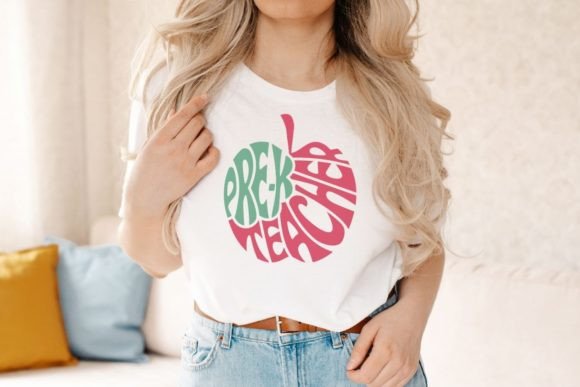
Upon opening the file, the layout immediately suggests a balanced composition suitable for center-chest placement or tote bag centrality. The typography appears structured yet approachable, avoiding overly ornate scripts that often cause registration issues during stitching. For an embroidery project targeting school staff, clarity is paramount. The design possesses a clean visual personality that feels celebratory without being chaotic. As a designer, I appreciate that the negative space is managed well, which is crucial when converting cutting files into machine embroidery design formats. The mood is uplifting and dignified, making it an excellent candidate for both personal gifts and institutional merchandise.
Real-World Application: The Custom Sweatshirt Test
To truly evaluate this asset, I mentally simulated a recent client request: creating custom crewneck sweatshirts for a district’s award banquet. In this scenario, the Teacher of the Year Cutting File Design serves as the focal point on a mid-weight cotton blend fleece. Sweatshirt embroidery presents unique challenges due to the fabric's loft and stretch. When applying this design to such a garment, I would treat it as a potential applique design opportunity rather than a dense fill stitch motif. Using felt or twill appliqué for the main letter shapes reduces stitch density significantly, preventing the "bulletproof" patch effect that can distort soft fabrics.
For this specific use case, the design’s bold lines allow for a wider satin stitch border, which anchors the appliqué material securely while providing a polished, commercial-grade finish. If stitching directly without appliqué, I would recommend a lightweight cutaway stabilizer to maintain shape integrity after washing. The result is a personalized gift that feels high-end and comfortable to wear, rather than stiff and heavy. This practical application demonstrates why understanding the relationship between the digital file and the physical substrate is essential for any Etsy seller or small shop product creator.
Navigating Fabric Variables and Hoop Constraints
Versatility is a key selling point for this graphic, but execution requires adaptation based on the target medium. While it shines on stable surfaces like canvas for a tote bag design, caution is necessary for more challenging materials.
- Stretchy Fabrics: When using this for custom apparel like performance tees or baby onesies, always use adequate stabilization. The design’s geometry requires precision; if the fabric shifts during stitching, the alignment of letters will fail.
- Textured Surfaces: On terry cloth towels or pique polos, the fine details may get lost. Consider increasing the column width of any running stitch elements or simplifying internal details to ensure readability against the fabric texture.
- Small Hoop Sizes: Before committing to a 4x4 hoop, verify the legibility. Intricate serifs or tight spacing in the embroidery file may need modification to prevent thread breaks or poor definition at smaller scales.
- Dark vs. Light Fabrics: Test thread colors rigorously. A design that pops on white cotton might vanish on navy fleece. High contrast is non-negotiable for recognition awards.
Commercial Viability and Brand Consistency
For creative entrepreneurs and commercial embroidery businesses, this design offers significant value beyond single-use projects. It functions as a reliable template for seasonal inventory. However, brand consistency relies on technical repeatability. If you are producing a line of holiday embroidery items or end-of-year gifts, the stitch-out must look identical on the tenth item as it did on the first. This requires confirming that your digitizing software interprets the vector nodes correctly to avoid unnecessary trims or jumps.
Furthermore, when listing these items online, utilize printable mockup templates that accurately represent the stitch texture. Customers trust sellers who show realistic previews rather than flat digital vectors. Whether you are selling the physical handmade product or the digital embroidery file itself, transparency about sizing and recommended materials builds buyer confidence. Always review licensing terms before incorporating this asset into design assets for resale or mass production to protect your business integrity.
Essential Pre-Production Checklist for Makers
Before running this design on a final garment or listing it in your shop, adhere to these professional verification steps. Skipping them is the difference between an amateur result and a premium product.
- Test Stitch on Scrap: Never assume default settings work. Run a test on the exact fabric and stabilizer combination you intend to use for the final embroidered patch or garment.
- Audit Stitch Density: Check for areas where stitches overlap excessively. Dense areas can cause needle deflection or fabric puckering, especially in baby embroidery or lightweight knits.
- Verify Licensing: Confirm whether the license permits commercial use of finished goods versus digital redistribution. This distinction is vital for craft business compliance.
- Mockup Validation: Create black and white mockups to assess value contrast independent of color. If the design isn't readable in grayscale, it won't be effective in low-light photography.
- Wash Testing: If creating items meant for frequent laundering like aprons or kitchen towels, wash the test sample to check for shrinkage or stabilizer residue.
Final Verdict on Production Readiness
The Teacher of the Year Cutting File Design is a robust foundation for honoring educators, provided it is treated with technical respect. Its strength lies in its clear communicative intent and adaptable structure. For the experienced maker, it offers a canvas for showcasing quality craftsmanship through proper stabilizer selection, thoughtful thread choices, and precise hooping techniques. For the business owner, it represents a marketable asset that resonates with a specific, appreciative audience during peak gifting seasons.
Ultimately, the success of this design depends less on the file itself and more on the intentionality of the creator. By understanding the interplay between the graphic elements and the physical limitations of embroidery, you transform a simple digital download into a cherished keepsake. Whether applied to a boutique cap, a heartfelt pillow cover, or a professional tote, this design delivers when executed with care. Remember to always consult the specific file documentation for format compatibility and size specifications, as these variables differ across digitizing platforms. With proper preparation, this asset is a worthy addition to any serious embroiderer's library.